Determining adequate tightening torque for ISO-KF clamp connections, with size-based reference ranges and practical “enough” criteria.


1.The residual pressure of the original gas in the container Before the high vacuum system begins to pump, a certain amount of gas is pre-stored in the container and pipeline, cold trap and other components. If a pump with a certain pumping speed is used to discharge the original gas in the container, its pressure will decrease exponentially with the pumping time.
2.System leakage Leakage is an important factor limiting the ultimate pressure. Once the system has a considerable amount of leakage, the ultimate pressure in the system will be limited. When the system's pumping speed is constant, reducing the leakage rate can reduce the system's ultimate pressure.
3.Outgassing The sources of outgassing in vacuum devices include: desorption of surface-adsorbed gases, release of gases dissolved in the material through diffusion, evaporation, decomposition, and dissociation of materials, and gases generated by chemical reactions between gases and solid surfaces.
4.Permeation When solid materials are placed in a gas, the surrounding gas molecules will dissolve in the surface layer of the solid. This is different from the gas originally dissolved in the solid. The gas pressure on both sides of the vacuum container wall is different, and the concentration of the dissolved gas molecules is also different.
5.Backflow The phenomenon of gas or vapor flow in the vacuum pump body returning to the vacuum chamber is called backflow. In high vacuum systems, because the pressure of the vacuum chamber is lower than the ultimate pressure of the vacuum pump, the effect of backflow on the ultimate pressure is particularly significant.
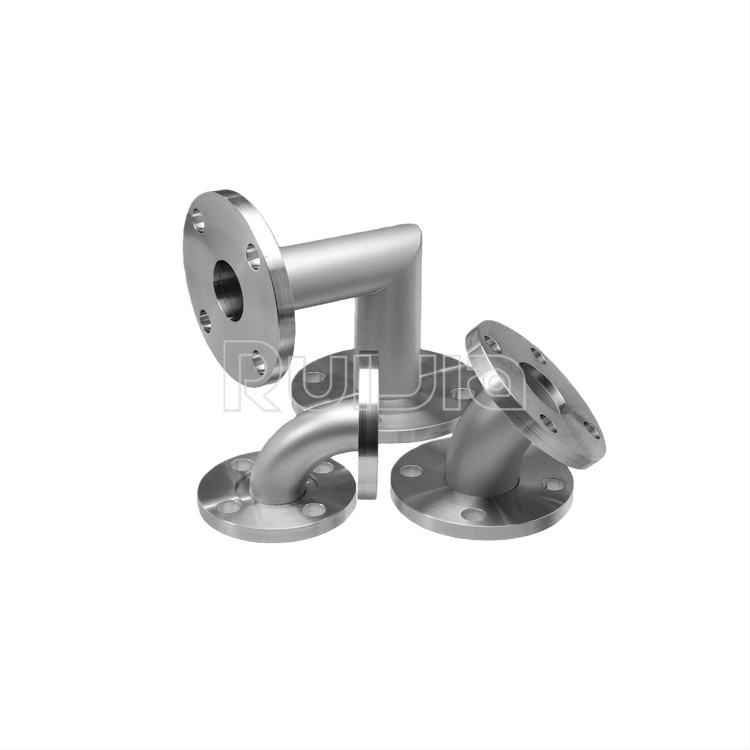
|
Temperature |
-26˚C to 200˚C |
|
Working Pressure |
Vacuum~atmosphere pressure |
|
Helium Leak Test |
1×10 -9 Pa・m³/sec or less |
|
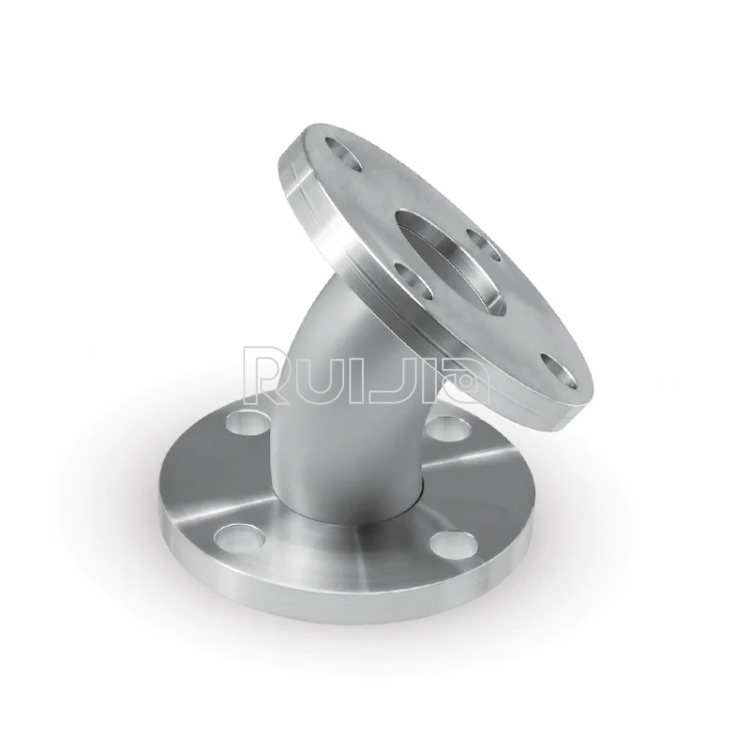
Temperature |
-26˚C to 200˚C |
|
Working Pressure |
Vacuum~atmosphere pressure |
|
Helium Leak Test |
1×10 -9 Pa・m³/sec or less |
|
Temperature |
-26˚C to 200˚C |
|
Working Pressure |
Vacuum~atmosphere pressure |
|
Helium Leak Test |
1×10 -9 Pa・m³/sec or less |
Rich stock, fast delivery
Quick response within 24h
Quality assurance
Accessory replacement
GET A QUOTE