Determining adequate tightening torque for ISO-KF clamp connections, with size-based reference ranges and practical “enough” criteria.


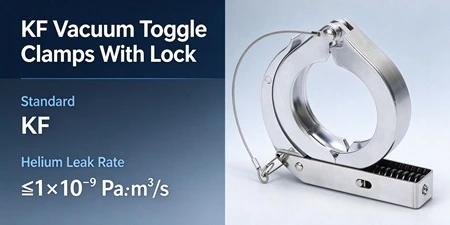
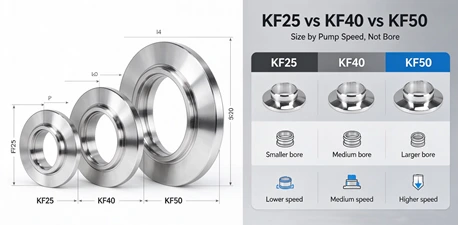
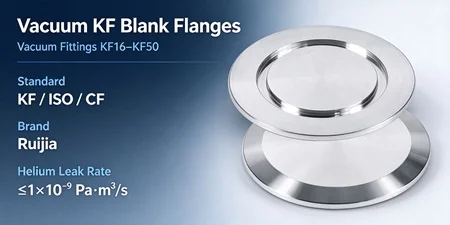
Choosing the right vacuum flange type is critical to maintaining system integrity, reducing unplanned downtime and ensuring process safety across industrial applications. While there are many connection options available, selecting components that align with your vacuum level, piping standards and operating conditions will save you significant time and cost. This guide shares 5 actionable tips from 12 years of vacuum system engineering experience, including how to evaluate flanges and fittings for your specific needs.
The single most important metric for any vacuum connection is its leak rate. Even a microscopic leak can introduce contaminants that ruin entire production batches or compromise experimental results. For medium and high vacuum systems (10⁻³ to 10⁻⁸ Pa), a helium leak rate better than 10⁻⁸ Pa·m³/s is the industry gold standard.
I’ve seen semiconductor wafer processing lines shut down for 48+ hours because a low-quality flange leaked just enough nitrogen to oxidize 200+ wafers, resulting in $120,000 in losses. For pharmaceutical freeze-drying and coating applications, the stakes are equally high—contamination can lead to product recalls and regulatory penalties.
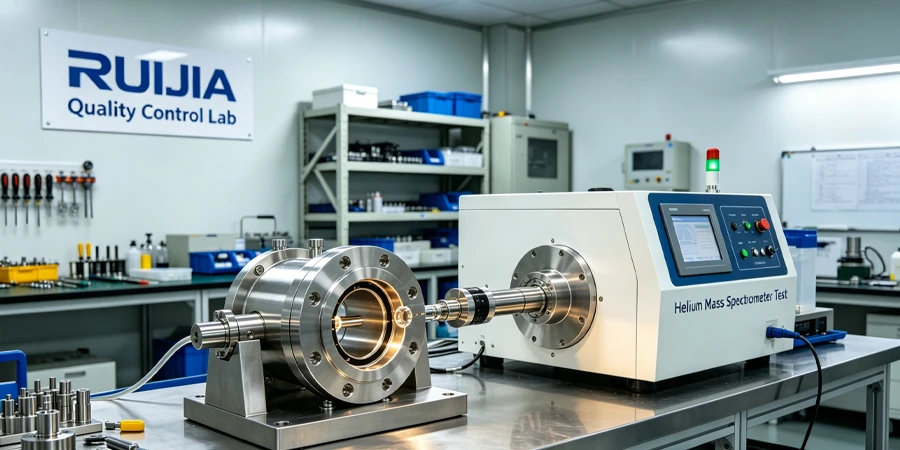
RUIJIO subjects every component to rigorous helium mass spectrometry leak detection before shipping, ensuring consistent performance across all production runs.
One of the most common and costly mistakes I encounter is mismatching flange sizes to regional piping standards. KF flanges use nominal sizes (KF10 to KF200), but the corresponding welded pipe dimensions vary significantly between the US, EU and JIS standards.
For example, a KF25 flange connects to 25.4mm pipe in the US, 28mm pipe in the EU and 34mm pipe in Japan. Using the wrong pipe size will result in poor welds, leaks and even system failure. Always cross-reference your flange size with the standard used in your facility or project location.
Common KF flange sizes include KF10, KF16, KF25, KF40 and KF50 for small to medium piping, with KF63 to KF200 available for larger systems.
Material selection directly impacts the lifespan and reliability of your vacuum piping systems. The two most common materials for vacuum components are 304 stainless steel and 316L stainless steel, each suited for different environments.
RUIJIO uses only high-grade raw materials and performs material composition testing to ensure compliance with international standards.
If your system requires regular disassembly for cleaning, calibration or component replacement, quick-release flange designs will drastically reduce maintenance time. Traditional bolted flanges can take 30+ minutes to disassemble and reassemble, while KF quick-release vacuum flanges can be connected or disconnected in seconds without special tools.
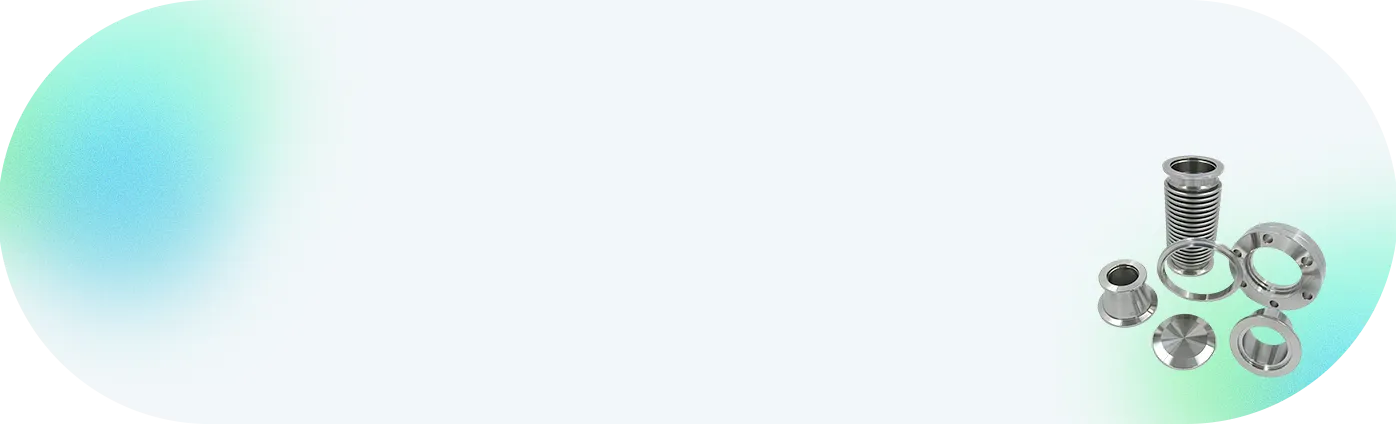
A typical KF assembly consists of two flanges, a centering ring with an O-ring seal, and an aluminum clamp with a wingnut fastener. This design is perfect for research laboratories, pilot plants and production lines that require frequent access to internal components.
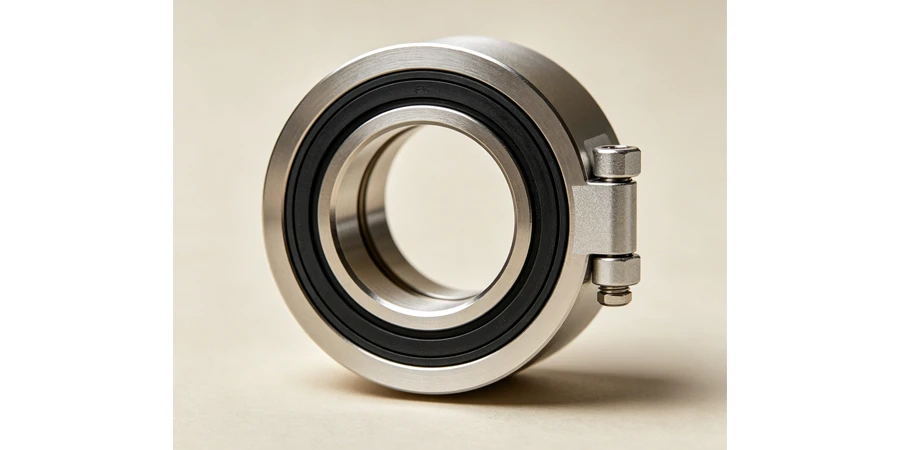
Standard components work for most applications, but every vacuum system has unique constraints. Whether you need non-standard lengths for bellows, special connection configurations or custom materials for extreme environments, working with a manufacturer that offers customization is essential.
RUIJIO provides fully customized vacuum connection solutions including KF bellows in lengths from 100mm to 1000mm, special material options and custom flange configurations. This flexibility ensures you get components that fit your system perfectly, rather than forcing your system to fit standard parts.
When comparing connection technologies, it’s important to balance performance with practicality. CF flanges offer ultra-high vacuum performance but require bolted assembly and are time-consuming to disassemble, making them unsuitable for systems needing frequent access. ISO-K flanges work well for large-diameter piping but are bulkier and more expensive for small to medium systems. For most medium and high vacuum applications requiring regular maintenance, the KF series strikes the optimal balance, and high-quality flanges and fittings will deliver reliable sealing for years.
By following these 5 tips, you can select the right vacuum flange type for your application, minimize downtime and ensure long-term system reliability. If you have specific questions about your vacuum system design or component selection, the engineering team at RUIJIO is available to provide expert guidance.
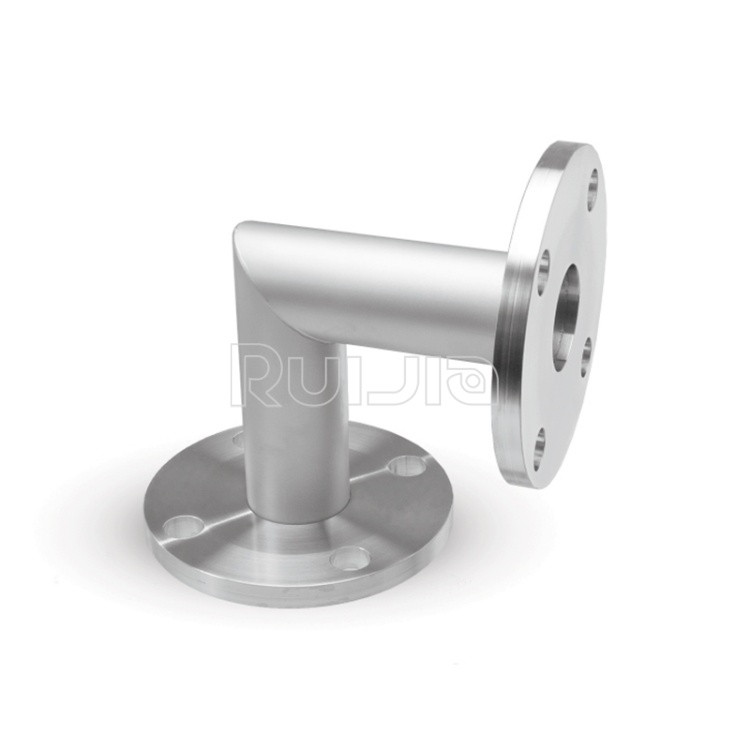
|
Temperature |
-26˚C to 200˚C |
|
Working Pressure |
Vacuum~atmosphere pressure |
|
Helium Leak Test |
1×10 -9 Pa・m³/sec or less |
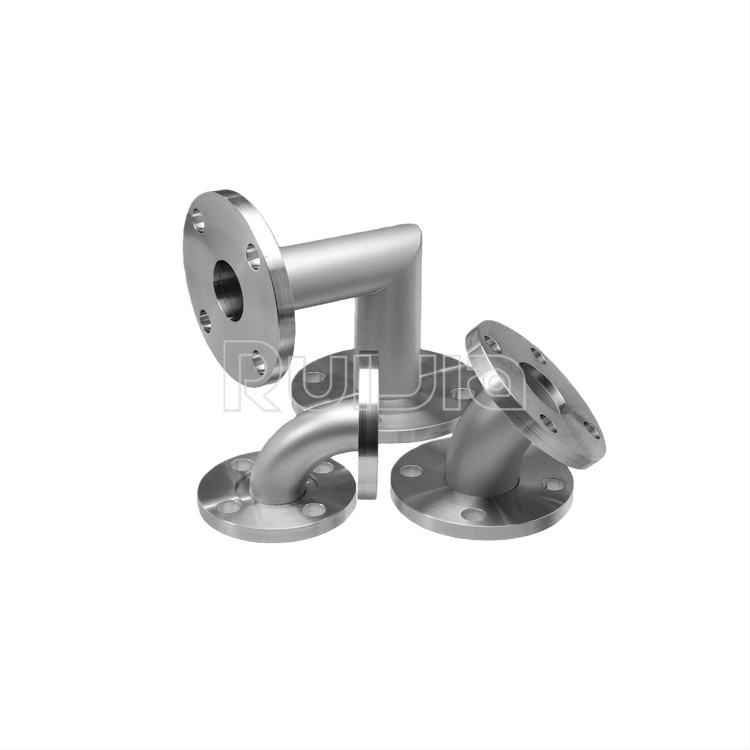
|
Temperature |
-26˚C to 200˚C |
|
Working Pressure |
Vacuum~atmosphere pressure |
|
Helium Leak Test |
1×10 -9 Pa・m³/sec or less |
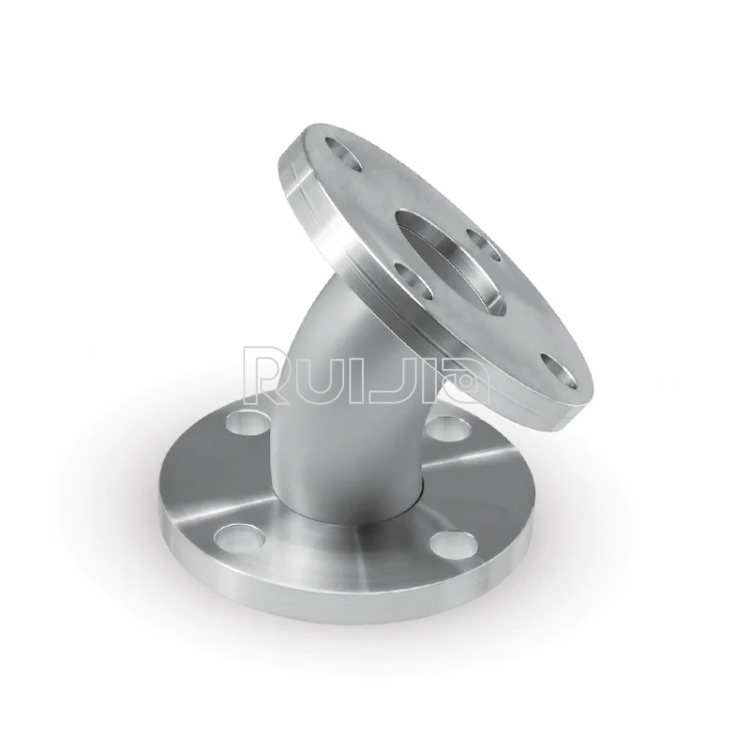
|
Temperature |
-26˚C to 200˚C |
|
Working Pressure |
Vacuum~atmosphere pressure |
|
Helium Leak Test |
1×10 -9 Pa・m³/sec or less |
Rich stock, fast delivery
Quick response within 24h
Quality assurance
Accessory replacement
GET A QUOTE