Determining adequate tightening torque for ISO-KF clamp connections, with size-based reference ranges and practical “enough” criteria.


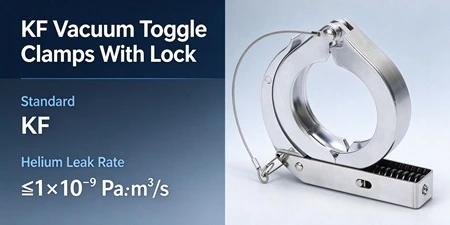
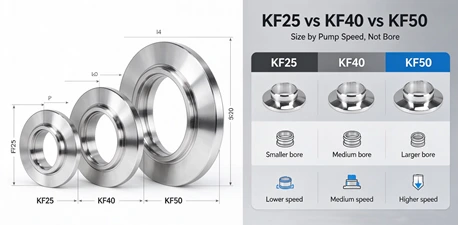
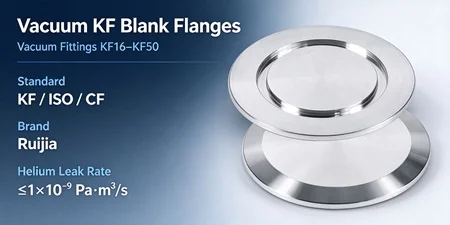
There’s a peculiar instinct that kicks in when a technician picks up a wrench in a vacuum lab. Psychology calls it the “better-safe-than-sorry” bias. If standard tightness is good, then extra tightness must be perfect, right? Absolutely wrong. In the realm of ultra-high vacuum (UHV) technology, the difference between a moderate finger pull and a strong-arm yank is the difference between a perfect seal and a cracked, leaking, expensive paperweight. We aren’t just tightening nuts; we are engineering controlled deformation, and that stops being physics the moment it becomes aggression.
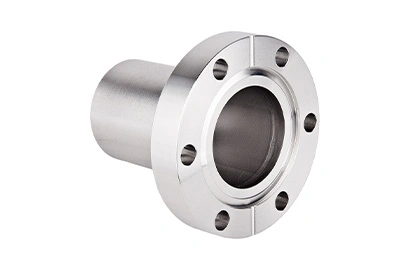
Before we pick up the tools, let’s visualize the crime scene of an over-torqued connection. You won’t see the failure with the naked eye easily, but the mass spectrometer will scream about it.
A standard ConFlat mechanism relies on a knife-edge cutting into a softer, oxygen-free copper gasket. This isn’t a standard mechanical crush fit; it’s a cold-welding process on a microscopic level. When you over-torque, you don't get a "deeper bite." You get a blade that has passed through the optimal elastic limit of the copper and entered a plastic deformation zone where the material flows away from the sealing interface. The result is a "bottoming out" of the flange faces, destroying the knife-edge and leaving micro-channels through which atmospheric gases whistle undetected into your vacuum.
According to the American Vacuum Society (AVS) standard practices for UHV hardware, the vast majority of vacuum leaks in new assemblies are not manufacturing defects; they are installation-induced failures. This isn't just a maintenance headache; it’s a yield killer in semiconductor processing and R&D.
Let’s deconstruct a proper zero-defect joint assembly to eliminate the guesswork. Forget the "tighten-until-it-creaks" approach. We are looking for mechanical repeatability.
Step 1: The Dry Fit Reality
Before the gasket even enters the scene, mate the two metal parts. Perform a tactile audit. Do they sit flush without spring tension? If a component is forced flush by the bolts, you are pre-loading the knife-edge with bending stress, making subsequent torque specifications wildly inaccurate. The seal fails before you even mount it.
Step 2: Lubrication is Not Optional
Stainless steel threads gall. That’s just metallurgy. When you torque a dry silver-plated or stainless bolt into a dry nut, a variable percentage of your wrench reading is just friction, not clamping load. The result is a false torque reading. An anti-seize compound or appropriate vacuum grease on the threads (not the flanges) ensures that your 15 N·m torque actually translates into the intended clamping force, not heat and shear.
Step 3: The Star Pattern Doesn’t Lie
This is the most violated rule in the book. Progressive cross-tightening in a star pattern isn't a suggestion; it’s the only way to maintain parallel load distribution. The sequence should be a quarter-turn at a time, often in three or more passes. For a typical size of 2.75 inches (DN40), a final torque value of 12-16 N·m is often the terminal point, not 20 N·m. The gasket should be visibly captured, but the outer flanges must never touch intimately. A specialized calibrated torque wrench is mandatory here; a standard automotive wrench lacks the low-range sensitivity required.
Here’s where the plot thickens. You cannot apply the same torque value optimistically across different material systems. An experienced technician knows that when swapping from stainless steel parts to aluminum alloys, the torque must drop sharply—often by 30-40%—because aluminum has a higher coefficient of thermal expansion and lower yield strength. Over-tightening a soft aluminum body with stainless bolts is the fastest way to strip internal threading.
Furthermore, the geometry of the vacuum connection matters. Rotatable flanges containing internal snap rings introduce an additional internal interface. These assemblies have a maximum torque ceiling that is often lower than their fixed counterparts because excessive axial load can oblong the internal race, preventing rotation entirely.
If your application demands repeatable, zero-leak assembly under thermal cycling, relying on simple visual inspection isn't enough. You need a system with tight geometric tolerances. For those looking to specify components engineered to hold these critical tolerances reliably, you can explore the technical specifications available for a wide range of vacuum hardware.
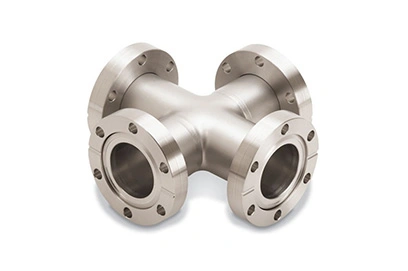
We need to change how we view the copper gasket. It is not just a seal; it is a predefined sacrificial failure point. In the event of a dangerous pressure spike, we actually want the gasket to deform predictably to vent vacuum, rather than the chamber wall fracturing. By over-torquing, you are effectively upgrading your "fuse box" to a solid copper bar—you remove the safety relief mechanism and shift the potential failure point to the much more expensive chamber body.
The industry standard oxygen-free high conductivity (OFHC) copper gaskets require high ductility. Once you've crushed them beyond their design limit, you cannot re-torque. Re-tightening a formed seal is an exercise in futility. It’s already work-hardened. If you detect a leak during a helium test on a freshly torqued joint, tightening it further introduces a "point load" on the knife edge, often peeling the metal back microscopically and guaranteeing a total failure.
The cost of a broken flange isn't just the replacement part; it's the venting time, the bake-out cycle recalibration, and the missed process deadlines. Over-torquing induces tensile stress cracking, particularly in areas where chlorine-rich cleaning solvents weren't rinsed properly—a classic stress corrosion cracking scenario.
A clean, consistent, and moderate installation protocol is the bedrock of UHV performance. When sourcing replacement fittings or designing a new line, manufacturing quality is your baseline. If you are currently re-evaluating your supply chain for critical components that match the rigorous demands of high-stakes vacuum work, it’s wise to assess the range of compatible fittings that prioritize geometric accuracy.
Ultimately, the most sophisticated mass flow controllers and ion pumps are helpless against a poorly fitted piece of hardware. The problem isn't the mechanics; it's the culture of the "impact wrench mentality."
The solution lies in standardized torque audits and embracing industry best practices (referenced by standards such as ISO 3669 for vacuum technology). It means treating every bolt as a precision instrument, not a lag screw. The signal-to-noise ratio of your system depends entirely on the discipline of your hands. If you want to move away from reactive maintenance and toward a robust vacuum integrity strategy, you might find the right starting points for your specific setup to help make informed procurement choices.
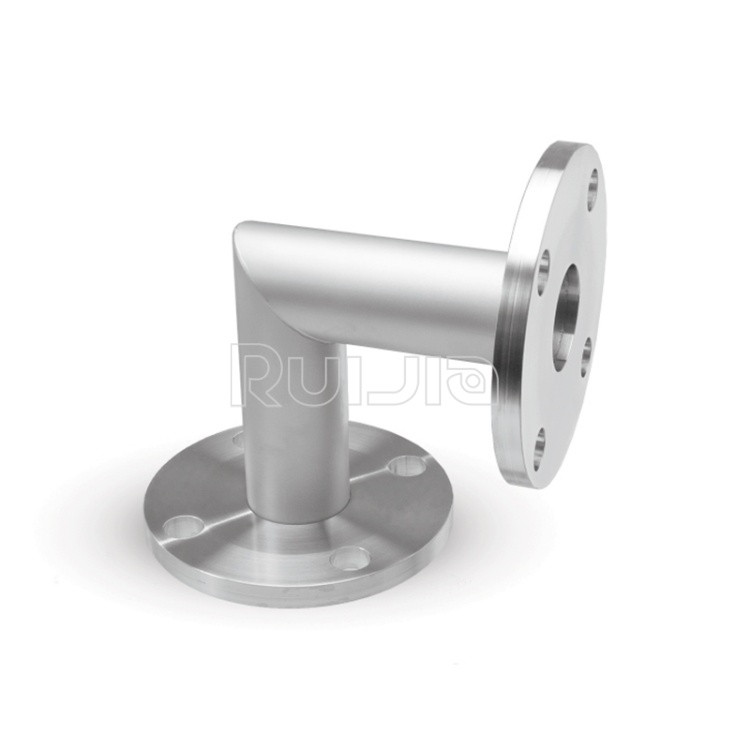
|
Temperature |
-26˚C to 200˚C |
|
Working Pressure |
Vacuum~atmosphere pressure |
|
Helium Leak Test |
1×10 -9 Pa・m³/sec or less |
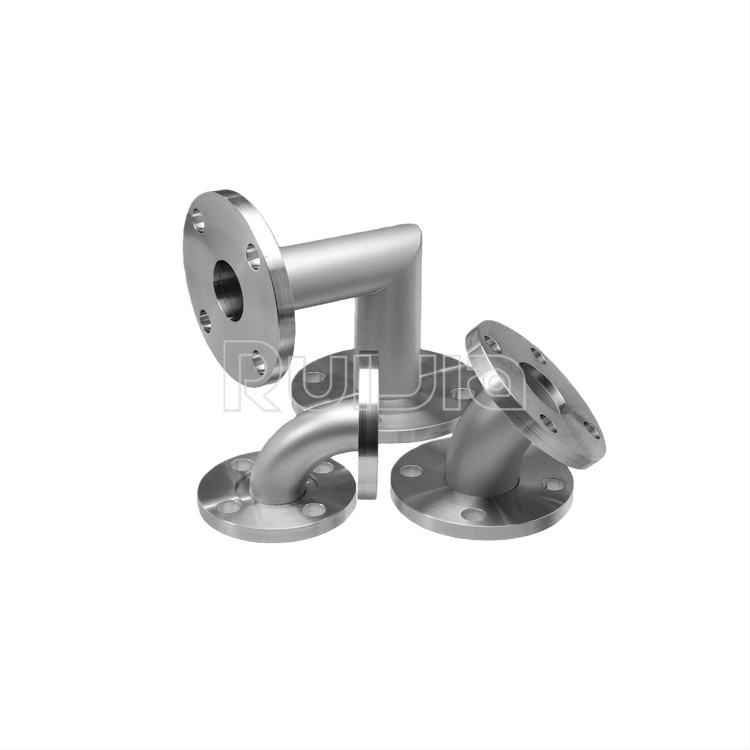
|
Temperature |
-26˚C to 200˚C |
|
Working Pressure |
Vacuum~atmosphere pressure |
|
Helium Leak Test |
1×10 -9 Pa・m³/sec or less |
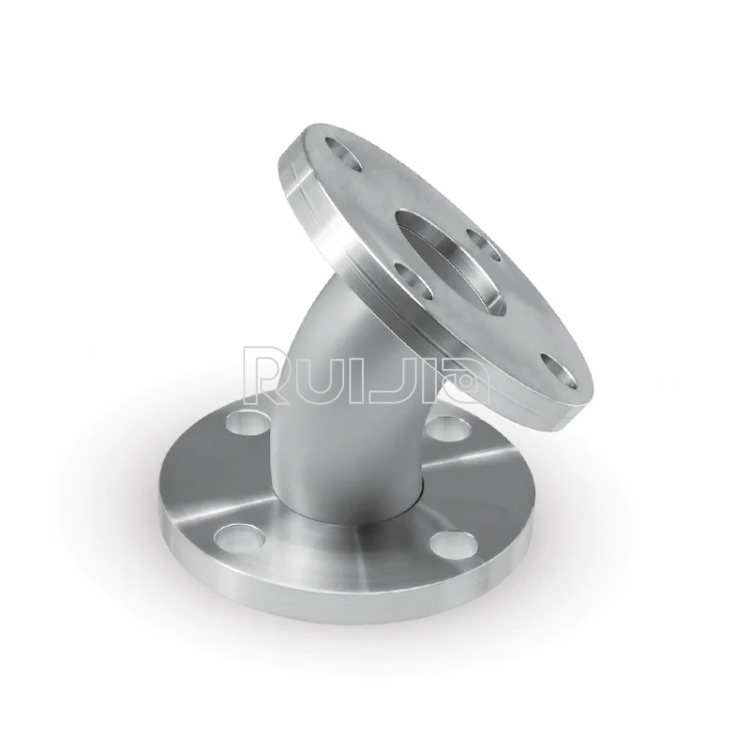
|
Temperature |
-26˚C to 200˚C |
|
Working Pressure |
Vacuum~atmosphere pressure |
|
Helium Leak Test |
1×10 -9 Pa・m³/sec or less |

Rich stock, fast delivery
Quick response within 24h
Quality assurance
Accessory replacement
GET A QUOTE