Determining adequate tightening torque for ISO-KF clamp connections, with size-based reference ranges and practical “enough” criteria.


A few months ago, a lab manager at a European food research institute called me in frustration. His team had just validated a new lyophilization protocol, but after switching to a “greener” sealing material, the vacuum level kept drifting overnight. The culprit? A silicone O‑ring that absorbed process vapors, swelled microscopically, and caused an insidious leak. He needed a seal that was both eco‑conscious and technically uncompromising – and he is far from alone.
Today, sustainability targets touch every corner of vacuum processing, from semiconductor fabrication to freeze‑drying of probiotics. The elastomer that sits inside your quick‑connect joints may seem like a footnote, yet it determines leak tightness, cleanroom compatibility, and even a product’s lifecycle footprint. Two materials dominate the conversation: Viton and silicone. But which one earns the “eco‑friendly” label while keeping your process robust? Let’s compare them on the metrics that actually matter.
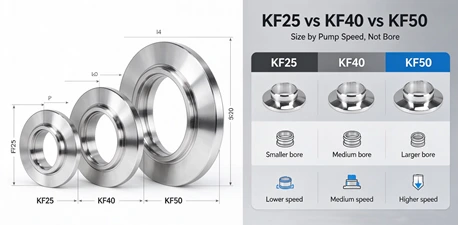
Before diving into the material physics, it is worth remembering that any seal is only as good as the interface it sits in. A stable, dimensionally accurate modular vacuum connection architecture keeps the O‑ring properly compressed and prevents micro‑leaks that no material can heal.
The table below captures the key performance differences that engineers and sustainability officers ask about most frequently.
| Parameter | Viton (FKM) | Silicone (VMQ) |
|---|---|---|
| Temperature range | -20 °C to 200 °C (continuous) | -50 °C to 200 °C (continuous) |
| Outgassing rate | Very low; excellent for high vacuum | Moderate; can adsorb and release moisture |
| Chemical resistance | Resists oils, acids, and many solvents | Poor against oils and hydrocarbons; swells |
| Permeability to gases | Low | Relatively high |
| Compression set resistance | Good (ASTM D395, ~20% after 70h/200°C) | Fair; can take a permanent set over time |
| Eco‑certification potential | Often compliant with FDA 21 CFR 177.2600; some grades REACH‑compliant | Easily meets USP Class VI, FDA, and 3‑A dairy standards |
| End‑of‑life | Difficult to recycle; incineration preferred | Not easily recyclable, but can be processed in some silicone‑recycling streams |
| Relative cost | Higher | Lower |
Both materials can serve “green” applications, but their strengths diverge sharply depending on what you are trying to protect – the process or the planet’s immediate toxic load.
In high‑vacuum or analytical instruments, low outgassing is a non‑negotiable ecological and technical requirement. Excessive outgassing not only ruins your base pressure but also releases volatile compounds that can contaminate sensitive products, leading to scrap, rework, and wasted energy. Viton’s dense fluorocarbon backbone gives it a clear edge here. Independent residual gas analyses show that thoroughly baked Viton O‑rings emit negligible hydrocarbons, whereas silicone can retain moisture and low‑molecular‑weight siloxanes, demanding longer pump‑down times and extra energy consumption.
If your sustainability scorecard includes energy per batch, Viton often comes out ahead – despite being a synthetic fluoropolymer. This counters the simplistic narrative that “natural‑feeling” silicone is always greener.
Silicone’s Achilles’ heel is its affinity for oils and organic solvents. In a food extraction or bio‑fuel concentration process, even trace exposure can make silicone seals swell, degrade, and need frequent replacement. Frequent change‑outs multiply solid waste and maintenance‑related emissions. Viton, resistant to a broad spectrum of chemicals, can last years in the same service. Extending service life is one of the most powerful, yet under‑discussed, levers of industrial sustainability.
Where silicone truly shines is biocompatibility. It is the default choice for pharmaceutical, dairy, and medical vacuum lines because it passes USP Class VI and 3‑A standards without the need for complex additive packages. Many food‑grade silicones also cure with platinum catalysts, leaving no peroxide decomposition products. Viton also offers FDA‑compliant grades, but procurement teams sometimes hesitate over the fluorine chemistry. However, modern FKM formulations with low extractable levels are increasingly accepted in food contact, provided they are specified correctly.
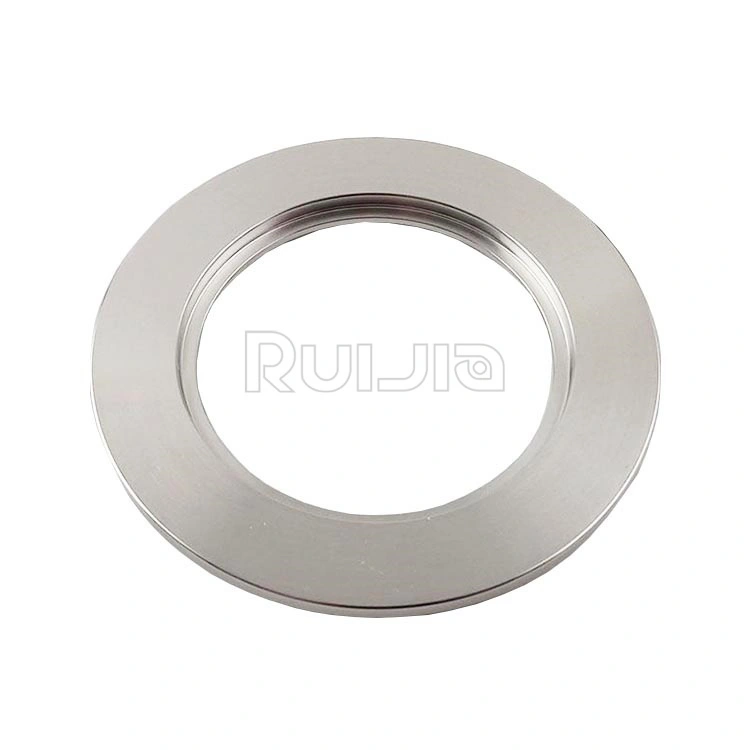
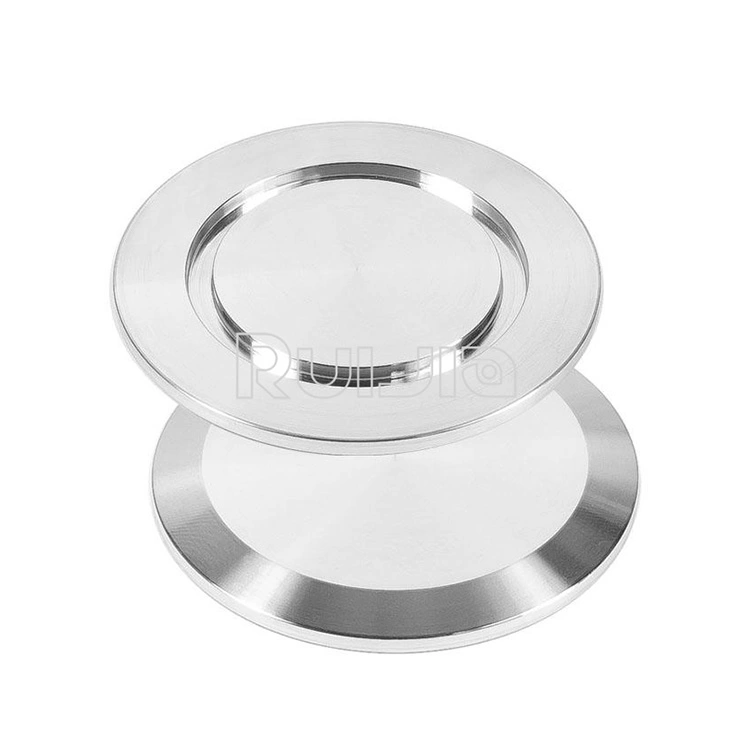
At this stage, the decision rarely hinges on just the elastomer. Even the most chemically resistant O‑ring will falter if the mating flange surfaces are not machined to the right surface finish and parallelism. That is why engineers often seek precision‑machined flanges and fittings that hold the seal in a controlled, repeatable groove geometry.
Choose silicone when: your process is aqueous, requires frequent sterilization (autoclave compatibility is excellent), demands the highest biocompatibility, or operates in extremely cold environments. If you are building a clean‑in‑place system for dairy concentrates, silicone is often the undisputed champion.
Choose Viton when: the process involves aggressive chemicals, requires minimal outgassing for deep vacuum, or you want to maximize seal life in demanding thermal cycling conditions. Cleanroom semiconductor fabs and many solvent‑based analytical labs rely on Viton almost exclusively.
Consider a hybrid approach: use silicone O‑rings in the low‑temperature, water‑washed sections and Viton in the high‑heat, oil‑sealed pump connections. This tailored strategy reduces overall material waste and energy demand.
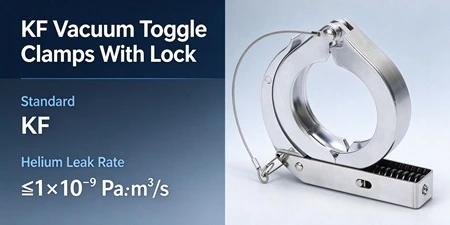
Whatever path you take, do not overlook the clamp and centering ring that hold the joint together. A poorly aligned claw clamp will distort even a premium Viton O‑ring, causing exactly the kind of cryptic leaks my lab manager friend encountered. This is where the physical connection hardware becomes an active part of your sustainability equation: fewer leaks translate directly to less power drawn by the vacuum pump.
Mixing seal families without cleaning: Silicone oil residue from a previous assembly can swell a new Viton seal. Always wipe groove surfaces with isopropanol before switching elastomer types.
Over‑torquing clamps: “Tighter is better” is a costly myth. Over‑compressing an O‑ring accelerates compression set and creates stress cracks, especially in silicone. Follow the manufacturer’s recommended closure torque.
Ignoring storage conditions: Silicone and Viton O‑rings degrade when stored near UV light or ozone sources. Keep them in sealed, dark packaging. A seal that fails quickly is waste, counteracting any eco‑friendly intent.
These practical steps extend the service interval of your joint, but to implement them effectively, you need a foundation of dimensionally consistent hardware. A comprehensive range of vacuum connection solutions ensures that every clamp, centering ring, and O‑ring groove follows the same standard, eliminating tolerance‑stack mismatches that breed leaks.
Selecting between Viton and silicone is not a dogmatic choice; it is a system‑level optimization. The most eco‑friendly seal is the one that stays sealed, avoids contamination, and lasts as long as possible without demanding energy‑intensive rework. For many mixed‑use labs and pilot plants, stocking both materials and matching them to the correct process stream yields the best balance of performance and planetary responsibility.
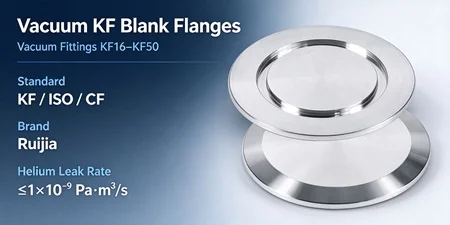
If you are re‑evaluating your quick‑release joints with a fresh focus on sustainability, you may want to look beyond the elastomer itself. The entire clamping assembly – flange face finish, centering ring concentricity, and clamp rigidity – contributes to a maintenance‑light, energy‑efficient vacuum envelope. Ruijia’s vacuum flange and fitting kits are engineered to keep your chosen O‑ring performing at its peak, helping you build a system that meets both your process purity and environmental objectives.
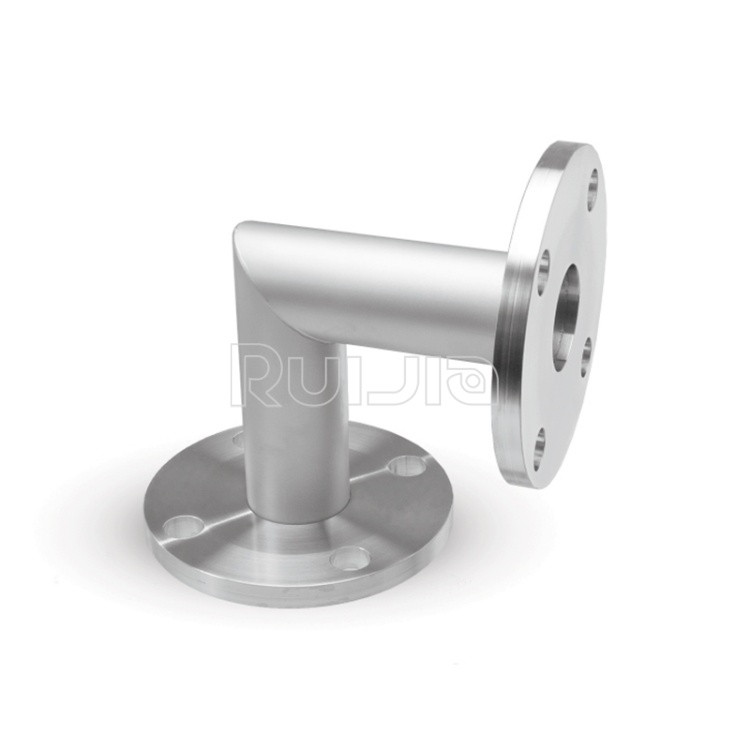
|
Temperature |
-26˚C to 200˚C |
|
Working Pressure |
Vacuum~atmosphere pressure |
|
Helium Leak Test |
1×10 -9 Pa・m³/sec or less |
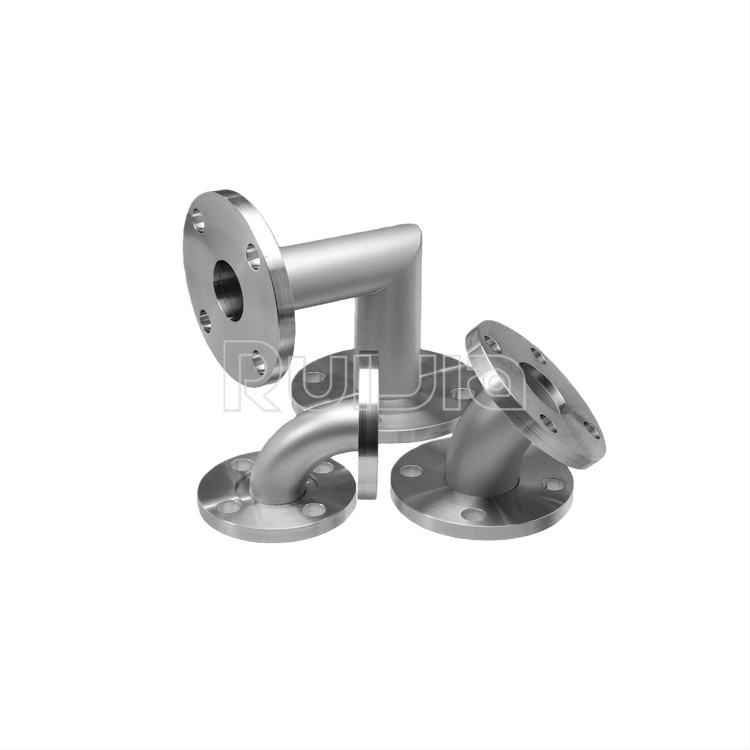
|
Temperature |
-26˚C to 200˚C |
|
Working Pressure |
Vacuum~atmosphere pressure |
|
Helium Leak Test |
1×10 -9 Pa・m³/sec or less |
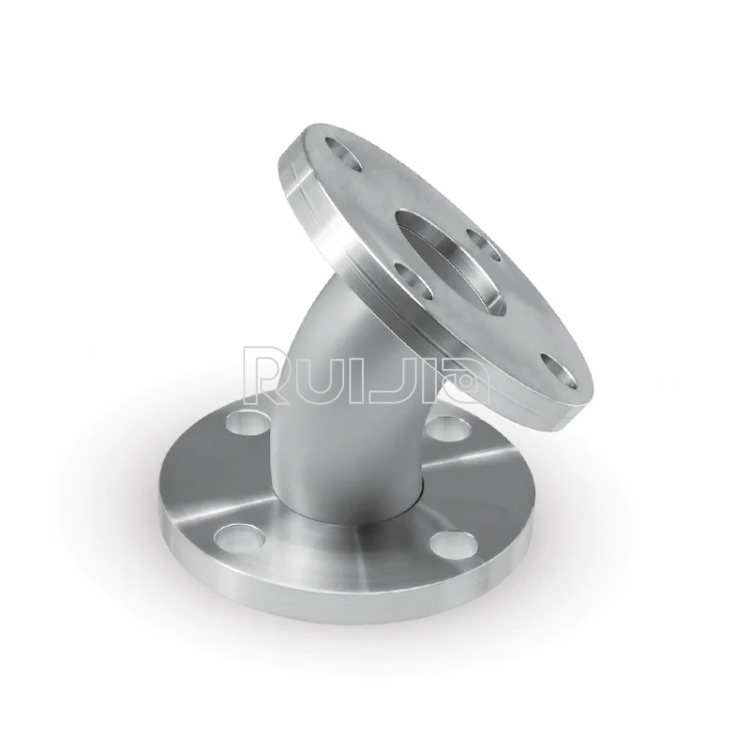
|
Temperature |
-26˚C to 200˚C |
|
Working Pressure |
Vacuum~atmosphere pressure |
|
Helium Leak Test |
1×10 -9 Pa・m³/sec or less |

Rich stock, fast delivery
Quick response within 24h
Quality assurance
Accessory replacement
GET A QUOTE