Determining adequate tightening torque for ISO-KF clamp connections, with size-based reference ranges and practical “enough” criteria.


It was a routine quality review at a semiconductor fab until a batch of wafers showed an inexplicable spike in particle defects. The root cause wasn’t a faulty valve or a leaky seal—it was the inner surface of a gas line silently releasing moisture and hydrocarbons. In critical fluid systems, such microscopic contamination can erode yield, compromise vacuum integrity, and delay production cycles. The invisible culprit? Outgassing, driven largely by the surface finish of the components that carry your process media.
Outgassing refers to the release of gas molecules trapped on or within a material’s surface. In fluid handling, the rate of outgassing correlates strongly with surface roughness—the micro-scale peaks and valleys left behind by manufacturing and finishing processes. The metric most widely used is Ra (arithmetic average roughness), typically measured in microinches (µin) or micrometers (µm). For reference, mechanically polished stainless steel may exhibit an Ra of 20–30 µin (0.5–0.8 µm), while advanced electropolished surfaces can reach below 5 µin (0.13 µm).
Standards such as SEMI F81 and ASME BPE have long established that surface roughness directly influences cleanability, corrosion resistance, and outgassing behavior. A smoother surface not only holds fewer contaminants but also presents a smaller effective surface area for gas adsorption. That’s why manufacturers of mission-critical fluid system components invest heavily in refining their finishing processes—yet not all finishes yield the same practical outcome.
Engineers frequently encounter two premium surface treatments: bright annealing (BA) and electropolishing (EP). While both produce a reflective, smooth appearance, their outgassing profiles differ markedly.
| Surface Treatment | Typical Ra (µin) | Relative Outgassing Rate | Process Description |
| Mechanical Polish (MP) | 20–30 | High | Abrasive belts or wheels create a directionally rough surface with embedded particles. |
| Bright Annealed (BA) | 10–15 | Medium | Heat treatment in a controlled atmosphere relieves stress and produces a smooth oxide layer. |
| Electropolished (EP) | 2–8 | Low | Electrochemical dissolution removes surface material, leaving a chromium-enriched passive layer. |
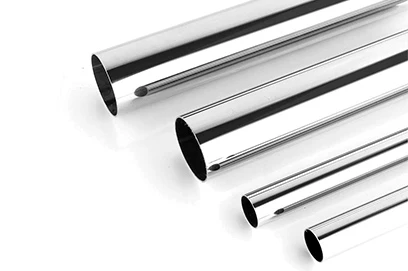
Electropolishing goes beyond smoothing—it dissolves iron preferentially, creating a chromium oxide film that is inherently more resistant to adsorption and corrosion. Independent studies, such as those published in the Journal of Vacuum Science & Technology, have demonstrated that EP-finished stainless steel exhibits outgassing rates up to an order of magnitude lower than BA surfaces under ultra-high vacuum conditions. This makes advanced electropolished tube solutions particularly valuable in semiconductor gas delivery, analytical instrumentation, and high-energy physics systems where even parts-per-billion moisture levels are unacceptable.
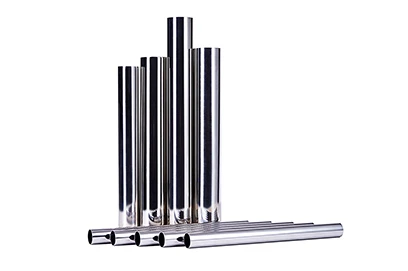
A common misconception is that a low Ra guarantee automatically ensures low outgassing. In reality, two components with identical Ra values can perform differently depending on post-processing cleanliness and material composition. The most reliable approach is to request outgassing data from thermal desorption spectroscopy (TDS) or residual gas analysis (RGA) performed under conditions that mimic actual service parameters—temperature, purge gas, and bake-out cycles.
When designing systems for ultra-clean environments, consider three practical steps:
Specify surface finish and cleaning together – Request both a maximum Ra and a particulate or non-volatile residue (NVR) limit.
Validate with bake-out data – Ask suppliers for outgassing rates at your operating temperature, not just ambient.
Demand traceability – Each lot should be accompanied by surface roughness measurements and, ideally, individual RGA spectra for critical applications.
These precautions help move the conversation from a single number toward a holistic quality package—especially when selecting components that will operate at 10⁻⁹ Torr or deliver reactive gases to a wafer surface.
For engineers who need consistent, documented low-outgassing performance, working with a supplier that controls the entire manufacturing chain can remove significant uncertainty. Ruijia, for instance, provides a range of ultra-clean fluid handling products that integrate tightly controlled surface finishes with rigorous cleaning and packaging protocols. By combining bright annealing, electropolishing, and final cleanroom assembly, such solutions are tailored to meet the evolving demands of semiconductor, pharmaceutical, and vacuum-dependent industries.
Selecting the right tubing isn’t just about meeting a specification sheet—it’s about preventing the subtle contamination that no one sees until it’s too late. If your process relies on the purity of what flows through your lines, investing in proven surface finish technology is one of the highest-impact decisions you can make. For those who wish to move beyond generic components, you can explore Ruijia’s low-outgassing fluid system solutions to evaluate products engineered specifically for demanding clean processes.
References & Disclaimer
ASME BPE-2022, Bioprocessing Equipment
SEMI F81-1103, Guide for Surface Characterization of Stainless Steel Gas Delivery Components
Outgassing data cited from published literature is provided for illustrative purposes; actual performance may vary by application and operating conditions. This article does not constitute a guarantee of specific product characteristics.
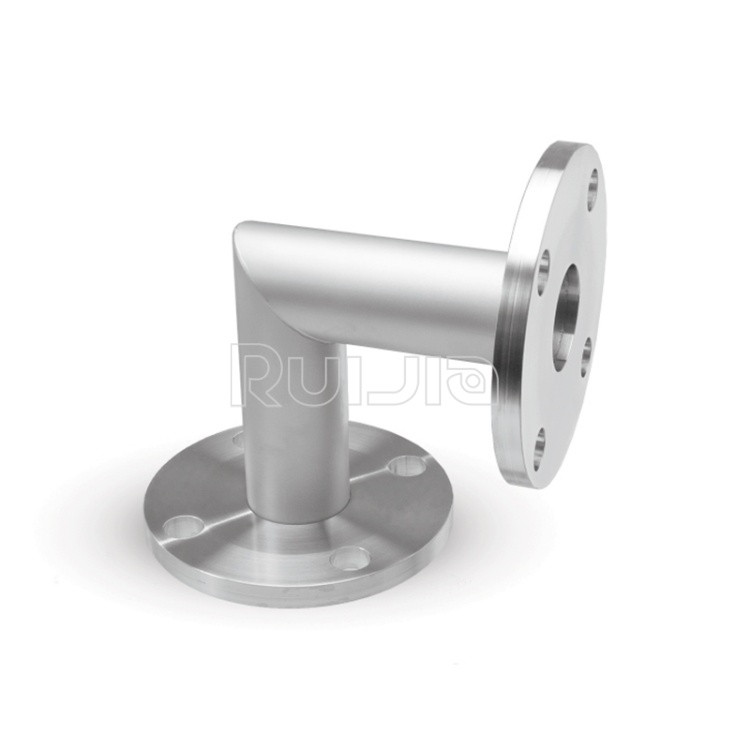
|
Temperature |
-26˚C to 200˚C |
|
Working Pressure |
Vacuum~atmosphere pressure |
|
Helium Leak Test |
1×10 -9 Pa・m³/sec or less |
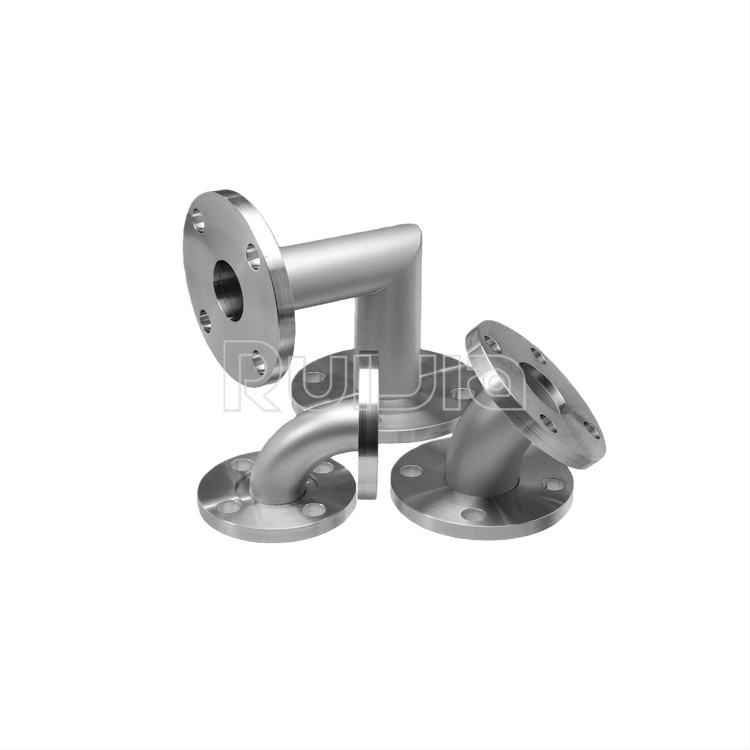
|
Temperature |
-26˚C to 200˚C |
|
Working Pressure |
Vacuum~atmosphere pressure |
|
Helium Leak Test |
1×10 -9 Pa・m³/sec or less |
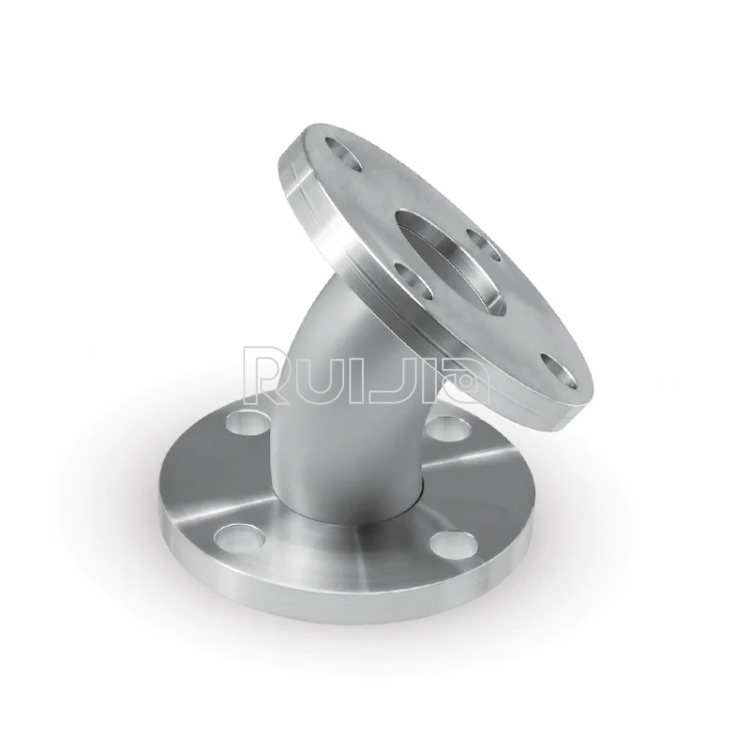
|
Temperature |
-26˚C to 200˚C |
|
Working Pressure |
Vacuum~atmosphere pressure |
|
Helium Leak Test |
1×10 -9 Pa・m³/sec or less |
Rich stock, fast delivery
Quick response within 24h
Quality assurance
Accessory replacement
GET A QUOTE