Determining adequate tightening torque for ISO-KF clamp connections, with size-based reference ranges and practical “enough” criteria.


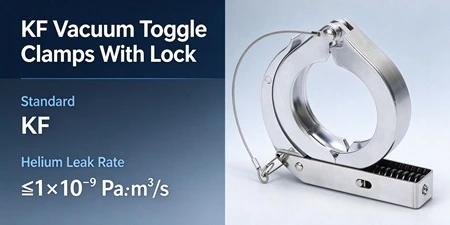
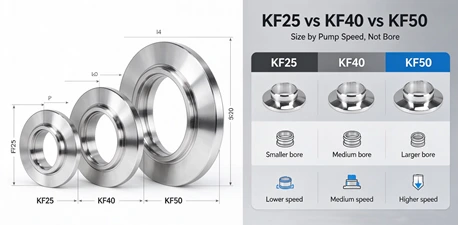
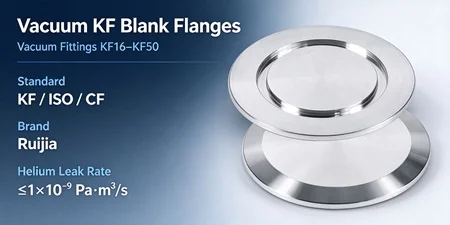
When building or upgrading a vacuum system, picking the right connecting components directly decides sealing stability, maintenance efficiency and service life. The core goal of your selection is to match vacuum level, installation frequency, working temperature and application scenario, avoiding mismatched parts that cause leaks or frequent downtime. In practical engineering, kf fittings are widely used for their flexible adaptability in small-to-medium vacuum setups, and making the right choice starts with clarifying four key on-site demands rather than chasing generic industrial parts.
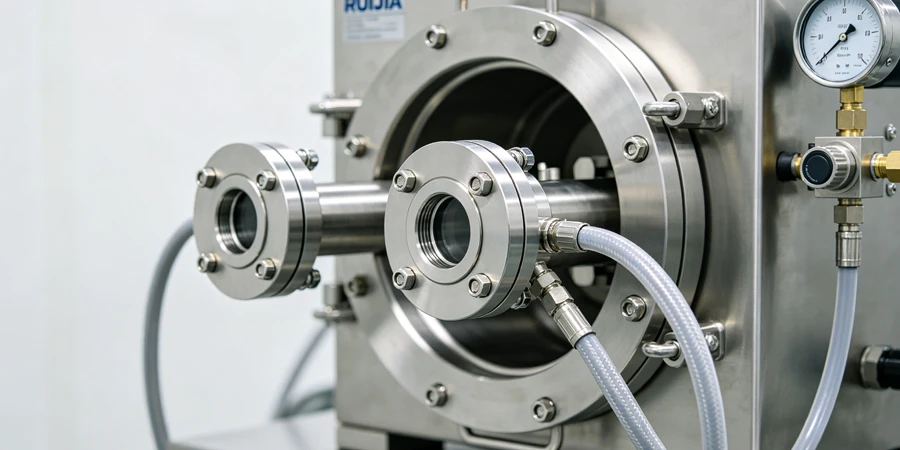
The first step is to define your system’s vacuum grade and daily operation style. For setups needing frequent disassembly—like lab research devices, small coating machines or vacuum drying equipment—quick-release vacuum flanges save far more time than bolted connectors. You should also check pipeline diameter and space constraints; compact equipment calls for slim, lightweight connectors that won’t add unnecessary bulk.If you need to verify size standards and material options for different scenarios, you can check detailed specifications here: https://www.ruijiavac.com/kf-flanges-and-fittings
Material choice ties directly to your system’s working temperature and medium. 304 stainless steel works for general vacuum environments, while 316L stainless steel resists corrosion in chemical or semiconductor applications. Seal materials matter too: FKM O-rings handle moderate heat, while silicone seals suit food-grade or low-temperature scenarios.Ignoring compatibility often leads to seal failure or material degradation. Trusted manufacturers follow NW flange standard sizes and ISO 2861 specifications to ensure interchangeability and consistent performance across your system.
Improper size matching is a top cause of vacuum leaks and assembly delays. Measure your pipeline’s nominal diameter accurately, and confirm flange outer diameter and clamp compatibility to avoid loose connections. For customized non-standard pipelines, working with a manufacturer that supports tailored sizing eliminates the hassle of modifying parts on site.RUIJIA provides flexible customization for special sizes and installation structures, helping you avoid rework and shorten equipment commissioning time. To explore custom vacuum solutions for your project,.
When comparing mainstream vacuum connectors, CF flanges deliver ultra-high vacuum performance with metal seals but require complex bolting and long installation time, making them unsuitable for frequent maintenance. ISO flanges fit large-diameter pipelines but are bulky and hard to handle in compact equipment.For most medium-vacuum applications with regular upkeep, the right kf fittings strike a perfect balance: fast clamp installation, reliable O-ring sealing and compact size. They outperform bulky ISO flanges in tight spaces and are more practical than CF flanges for daily disassembly, covering semiconductor testing, lab vacuum setups and small industrial vacuum systems.RUIJIA’s vacuum connectors are engineered to reduce assembly time by 60% compared to traditional bolted flanges, with consistent sealing under long-term operation. To discover real application cases across industries, check
From my years of field experience, the best choice isn’t the most expensive part but the one that fits your system’s actual working conditions. Prioritize installation efficiency, sealing reliability and customization support, and you’ll build a stable, low-maintenance vacuum system that performs consistently.
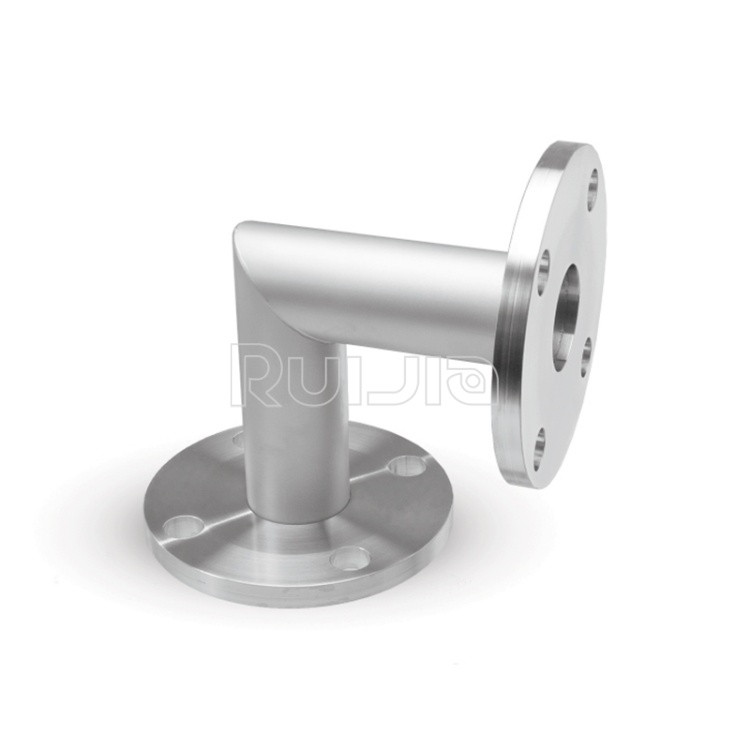
|
Temperature |
-26˚C to 200˚C |
|
Working Pressure |
Vacuum~atmosphere pressure |
|
Helium Leak Test |
1×10 -9 Pa・m³/sec or less |
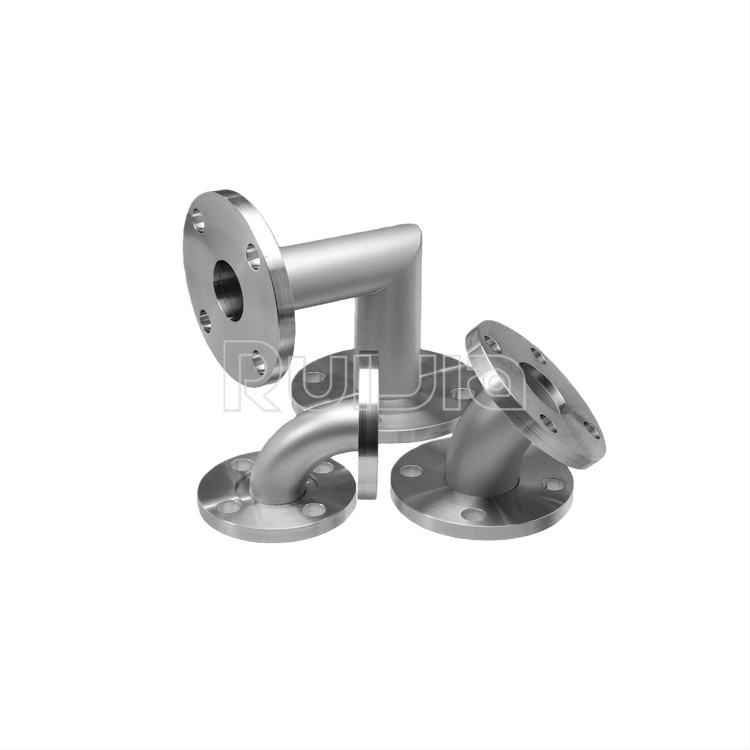
|
Temperature |
-26˚C to 200˚C |
|
Working Pressure |
Vacuum~atmosphere pressure |
|
Helium Leak Test |
1×10 -9 Pa・m³/sec or less |
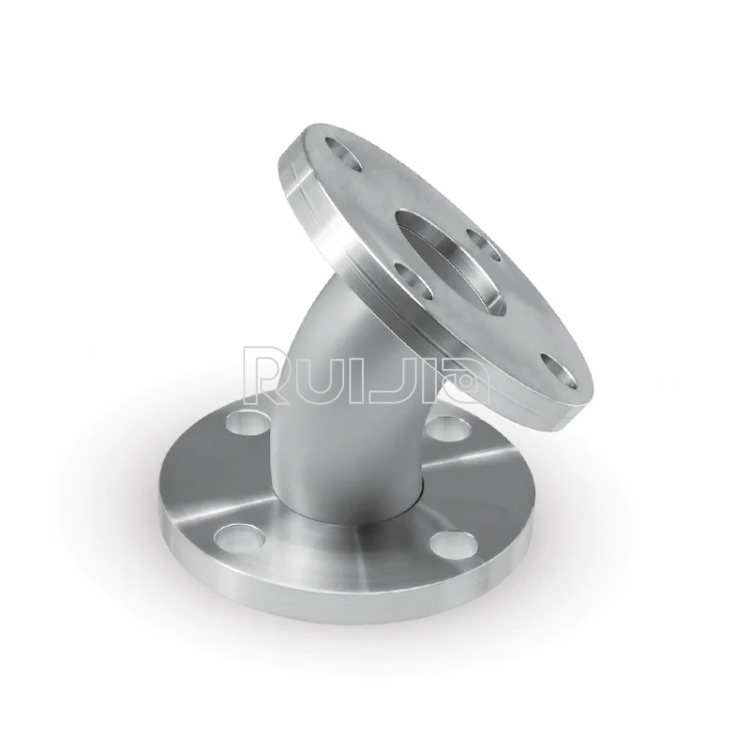
|
Temperature |
-26˚C to 200˚C |
|
Working Pressure |
Vacuum~atmosphere pressure |
|
Helium Leak Test |
1×10 -9 Pa・m³/sec or less |
Rich stock, fast delivery
Quick response within 24h
Quality assurance
Accessory replacement
GET A QUOTE