Determining adequate tightening torque for ISO-KF clamp connections, with size-based reference ranges and practical “enough” criteria.


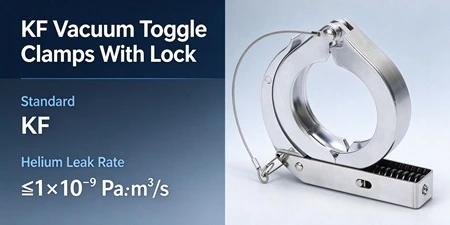
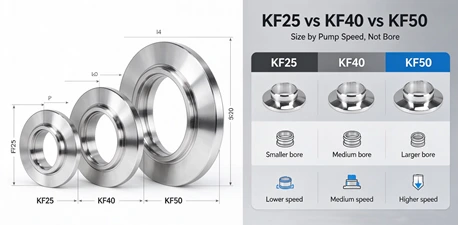
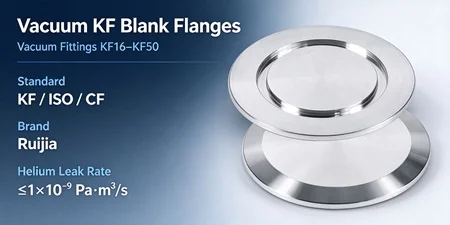
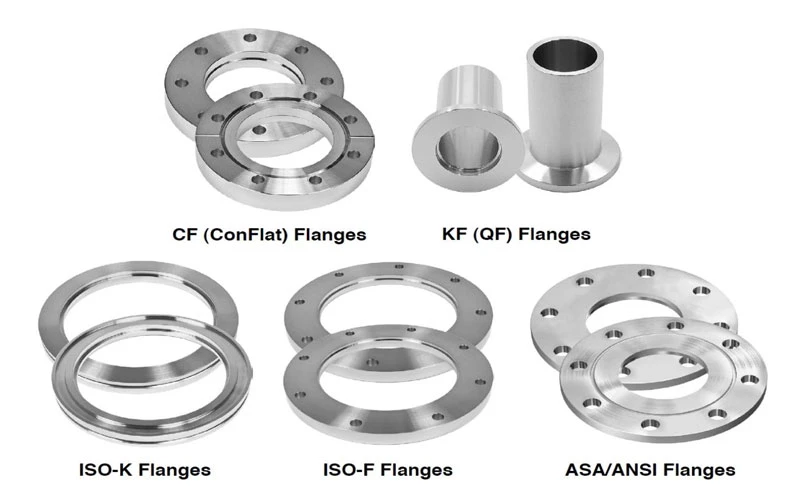
The purpose of this document is to provide the system designer or operator with general knowledge about the most common fittings used to connect vacuum equipment together. This information is useful for selecting appropriate parts when designing a new system or for identifying parts of an existing system. Flange fittings, assembled with some combination of bolts and/or clamps, are found in every industrial vacuum system today. The four most common flange types are CF (Conflat), KF, ISO, and ASA/ANSI.
Materials used in vacuum systems are selected for very low rates of permeation or outgassing, and for tolerance to bakeout temperatures, if needed. Materials to avoid include cadmium, zinc, brass, magnesium, paints, lead, antimony, and most plastics.
The most common material used in vacuum systems is 304 stainless steel which is corrosion resistant to many materials. Grade 316 stainless steel is used in food-grade systems since it is more resistant to chlorides (such as salt). Other materials, such as aluminum, nickel, glass, and exotic metals, are used when the process uses or creates chemicals harmful to stainless steels.
Fittings are sealed with either elastomer O-rings, or soft metal gaskets. O-rings are available in a variety of materials, each with different performance characteristics. Viton (FKM) is the most popular O-ring seal material used in rough vacuum systems and is rated for high vacuum to 1 x 10⁻⁸ Torr. Viton is chemical and compression set resistant and has a (continuous) working temperature range of approximately -20°C to +150°C (-4°F to +300°F). The permeability of Viton and other elastomers does not allow them to be used for ultra-high vacuum applications.
Soft metal sealing gaskets may be used for high vacuum and are required for ultra-high vacuum applications. Ordinarily, copper gaskets are used and can tolerate temperatures to 450°C. Aluminum, silver- or gold-plated copper, or solid silver and gold gaskets are more oxidation-resistant gasket options.
The most common flange types used for vacuum systems are CF, KF, ISO, and ASA/ANSI. All follow strict ISO (International Organization for Standardization) standards so that similar parts can be interchanged between manufacturers. CF and ISO/KF flange types are the most widely used in today’s vacuum systems.
The flange type and size needed depends on the desired vacuum level and the evacuation or pump down speed required.
How to Select Flange type and Sizes?
As Table below, shows a generalized flange selection matrix. There may be more than one flange type and size that suits a given scenario.
| Tube Size | Maximum Vacuum Level | ||
| Ultra-High Vacuum (UHV)(<10-8 to 10-13 Torr) |
High Vacuum(HV) (10-3 to 10-8 Torr) |
Medium to Rough Vacuum (760 to 10-3 Torr) |
|
| Small (≤2") | CF | KF | KF |
| Large(>2") | CF | ISO,ASA/ANSI | ISO,ASA/ANSI |
| Seal Material | Metal Gasket | Elastomer O-Ring | Elastomer O-Ring |
Flange type, tube size, seal material, and vacuum range
Fittings on existing equipment, cost, availability, and ease of use might be important selection factors.
When a vacuum connection is disassembled for any reason, it is best to replace rather than reuse O-rings, even though they might be reusable. For ultra-high vacuum connections, metal gaskets must always be replaced as they will not reseal.
When working with any vacuum equipment, read all manuals and follow all safety procedures. Only trained personnel, wearing appropriate protective equipment, should operate vacuum equipment.
For all vacuum connections, cleanliness is vital. A clean environment, the use of gloves, proper clothing, and clean parts minimize potential leak and contamination issues. All parts should be cleaned with alcohol (IPA) or acetone before assembly. To achieve higher vacuum faster, chambers and other parts may be heated under vacuum to remove water and contaminants (baked out). Bake out temperature is limited by the seals and other materials in the system.
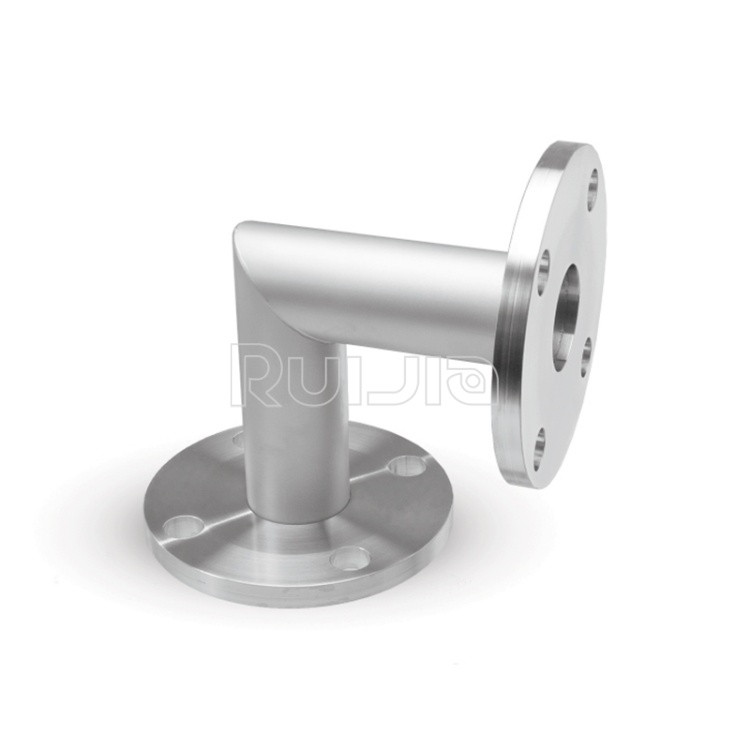
|
Temperature |
-26˚C to 200˚C |
|
Working Pressure |
Vacuum~atmosphere pressure |
|
Helium Leak Test |
1×10 -9 Pa・m³/sec or less |
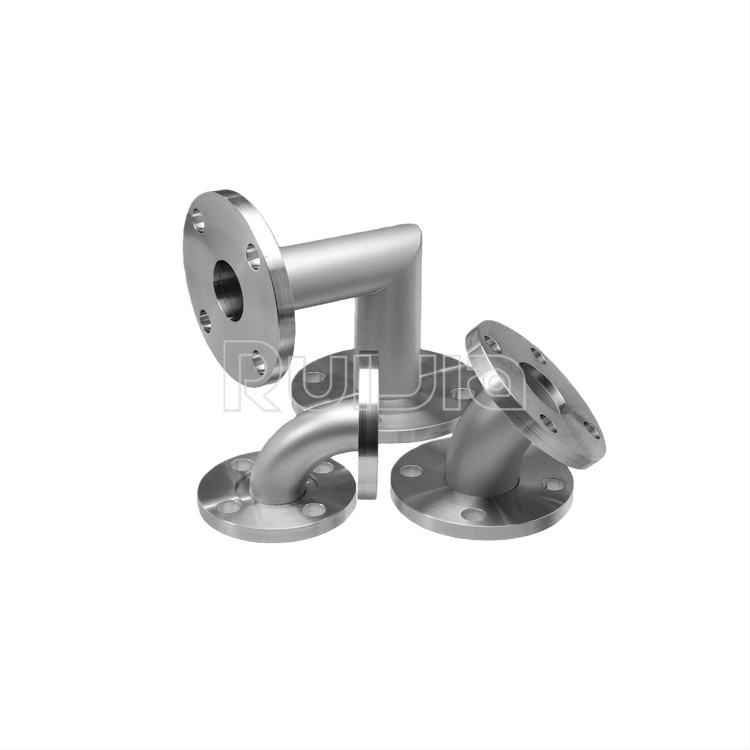
|
Temperature |
-26˚C to 200˚C |
|
Working Pressure |
Vacuum~atmosphere pressure |
|
Helium Leak Test |
1×10 -9 Pa・m³/sec or less |
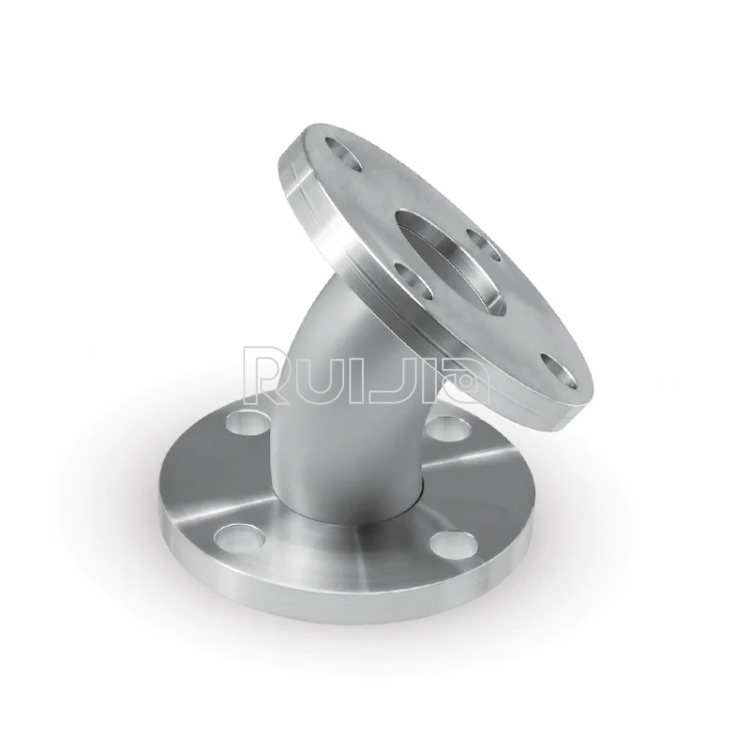
|
Temperature |
-26˚C to 200˚C |
|
Working Pressure |
Vacuum~atmosphere pressure |
|
Helium Leak Test |
1×10 -9 Pa・m³/sec or less |

Rich stock, fast delivery
Quick response within 24h
Quality assurance
Accessory replacement
GET A QUOTE