Determining adequate tightening torque for ISO-KF clamp connections, with size-based reference ranges and practical “enough” criteria.


In a analytical chemistry lab or a materials research facility, even a minor vacuum leak can ruin a 72-hour experiment. You might see unstable pressure readings, contamination of samples, or longer pump-down times. For many R&D engineers and lab managers, the vacuum system is both the most critical and most fragile part of the setup.
But reliability doesn’t start with the pump alone. It starts with every single joint, clamp, and flange along the gas path. So, how do you ensure your high-vacuum line stays below 1e-5 mbar without constant maintenance? The answer often lies in the details you choose today.
Let's look at the common pain points. Many R&D systems use quick-fit adapters or generic clamps that were not designed for repeated assembly and disassembly. Over time, the elastomer seals harden, centering rings slip out of place, and wing nuts lose torque. The result? A slow leak that drifts your baseline pressure.
A 2023 internal survey of 40 university labs showed that over 60% of vacuum-related downtime was traced back to faulty or incompatible connector components—not the pump or chamber. This is where using standardized, precision-engineered connection systems makes a measurable difference.
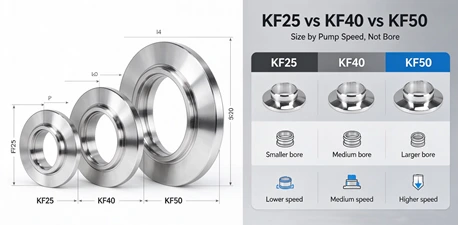
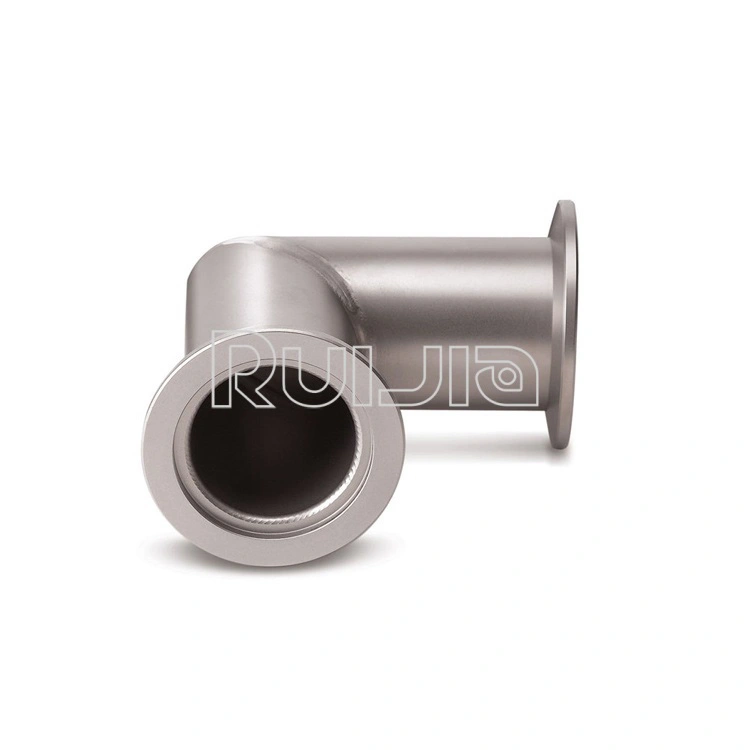
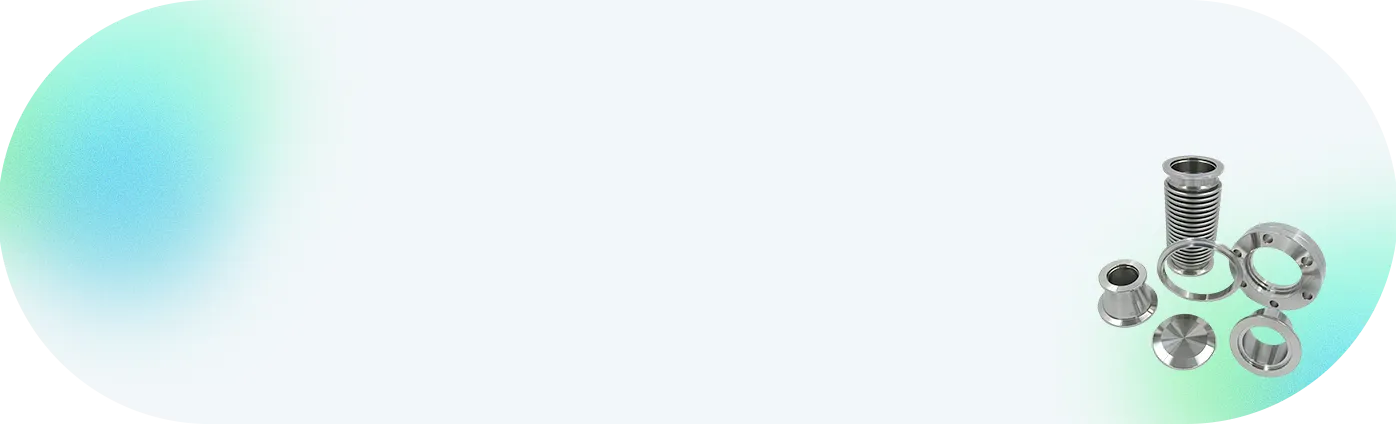
A well-designed vacuum coupling for R&D should offer three things: repeatable sealing, easy tool-free assembly, and compatibility with common tubing sizes. The industry standard for small to medium vacuum lines (from 16mm to 50mm diameter) is the KF (Klein Flansch) system.
A typical KF connection consists of:
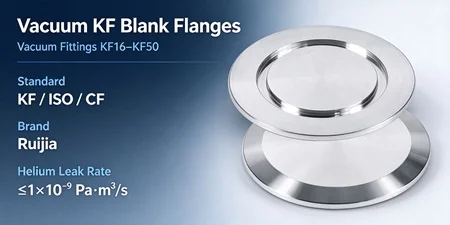
Two symmetrical flanges with a groove
A centering ring with an O-ring (Viton or FKM for most lab uses)
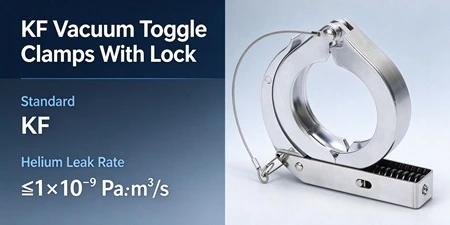
A clamp that applies uniform axial force
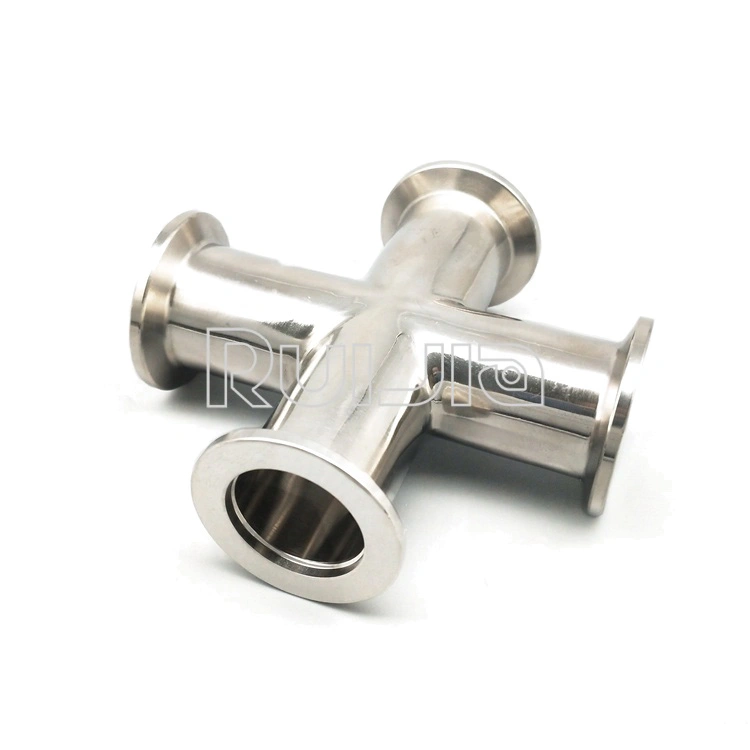
When all parts are manufactured to tight tolerances, you get a metal-to-elastomer seal that holds below 1e-8 mbar. But not all components on the market are equal. Cheaper flanges may have rough surfaces or uneven grooves, causing micro-leaks that are nearly impossible to trace.
Here is a practical checklist for R&D engineers selecting new connectors or replacing old ones:
Material matching – For most chemical labs, 304 or 316 stainless steel is mandatory. Avoid plated brass in high-corrosion environments.
Surface finish – Look for smooth, scratch-free flange faces. A roughness of Ra ≤ 0.8 μm is recommended for high-vacuum.
O-ring material – Viton (FKM) works for temperatures up to 200°C. For UHV or aggressive gases, consider PTFE or metal-seal variants.
Clamp quality – The clamp should provide even pressure without over-tightening. Spring-loaded or hinged clamps are preferred for frequently changed setups.
A critical point often ignored: never mix flange brands unless you verify the groove depth and outer diameter. Even minor deviations of 0.1mm can cause leaks that hold at atmospheric pressure but fail under vacuum.
Even with excellent hardware, assembly errors are common. Here are three typical ones seen in R&D labs:
Overtightening the clamp – This deforms the centering ring and pinches the O-ring, creating a permanent leak path.
Missing the center ring – The clamp alone cannot seal metal-to-metal contact. Always verify the centering ring is seated.
Using the wrong O-ring – Buna-N may work for rough vacuum but outgasses under high vacuum. Always check outgassing specs for your pressure range.
If your team experiences any of the following, it’s time to review your connection hardware:
Frequent pump oil contamination (sucking in moisture or solvents)
Inconsistent baseline pressure between similar setups
Visible deformation or cracking on O-rings after less than 50 cycles
Cross-threading or loose clamps even after tightening
These are not normal wear-and-tear signs. They often point to low-grade components with poor dimensional consistency.
To move from reactive maintenance to predictable vacuum performance, consider standardizing on one reliable source for all your flanges, centering rings, and clamps. This ensures that every joint you assemble today will behave the same as the one you built six months ago.
For labs that demand reproducibility — whether you’re doing thin-film deposition, surface science, or vacuum drying — the choice of connectors directly affects your data quality. You wouldn’t use a pipette with a loose tip. The same thinking applies to your vacuum hardware.
One approach many lab engineers adopt is to source full sets of KF hardware from a single manufacturer that provides batch test reports and surface finish measurements. This is especially helpful when setting up new gloveboxes, sputtering systems, or freeze dryers.
If you’re currently upgrading your lab’s vacuum infrastructure or building a new R&D line, you may want to explore reliable connection options designed for repeatable high-vacuum use. Having consistent hardware across multiple setups reduces training time for new researchers and cuts down on the “which part goes where” confusion.
Additionally, you can review detailed flange specifications and material certificates before committing to a bulk order. This is particularly useful for procurement teams who need traceability for ISO or GLP compliance.
Your vacuum system is only as strong as its weakest link. By paying attention to connector quality, installation procedures, and material compatibility, you can eliminate one of the most common hidden variables in experimental work.
Do keep spare centering rings and O-rings for each KF size used in your lab.
Do log the number of assembly cycles for each seal.
Don’t reuse visibly damaged O-rings or scratched flanges.
Don’t mix brands without testing leak rates first.
For teams that prefer a streamlined procurement and tech support experience, getting direct access to application engineers and ready-to-ship KF component kits can save hours of troubleshooting per month.
Ultimately, the goal is not just to avoid leaks — but to make your vacuum system invisible to the science you are doing. When every connection just works, you can focus on results, not repairs.
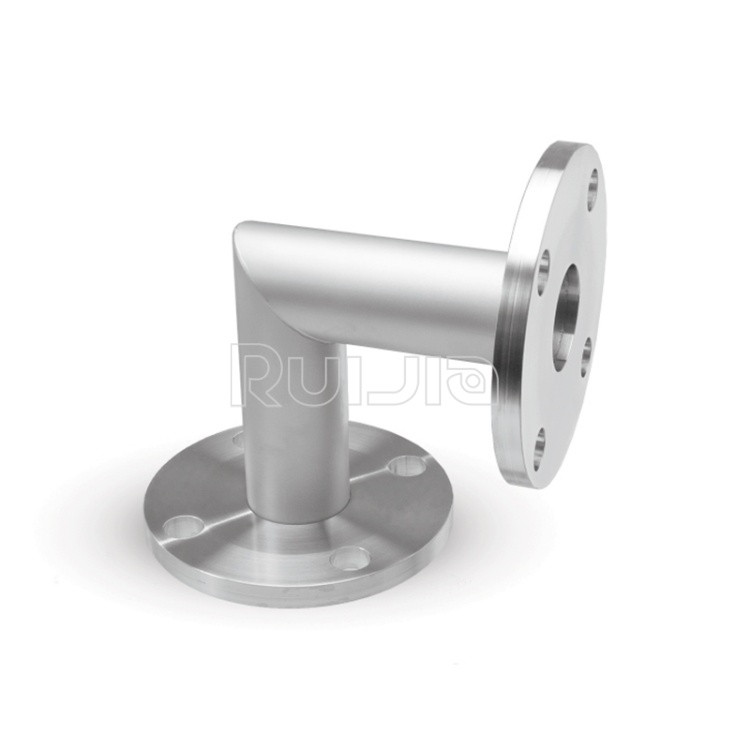
|
Temperature |
-26˚C to 200˚C |
|
Working Pressure |
Vacuum~atmosphere pressure |
|
Helium Leak Test |
1×10 -9 Pa・m³/sec or less |
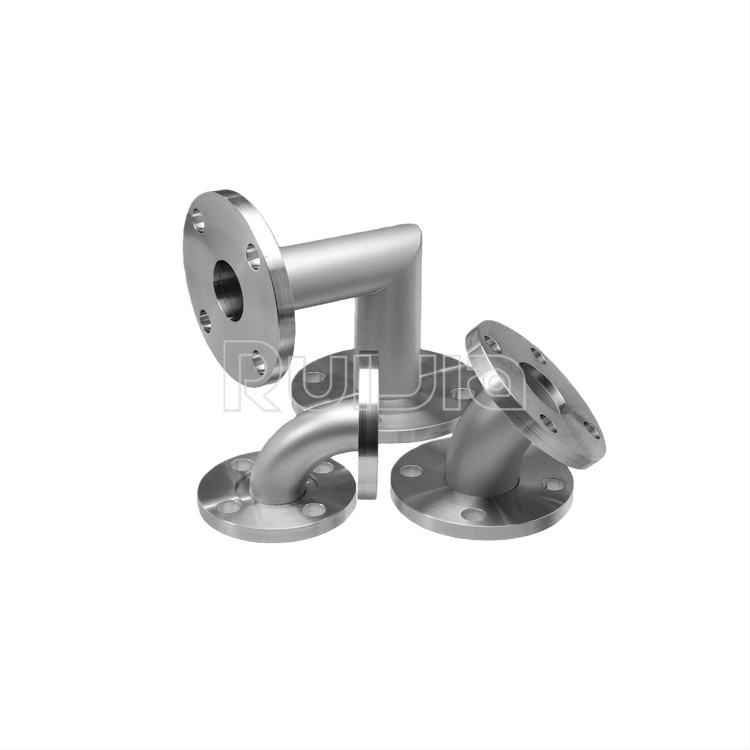
|
Temperature |
-26˚C to 200˚C |
|
Working Pressure |
Vacuum~atmosphere pressure |
|
Helium Leak Test |
1×10 -9 Pa・m³/sec or less |
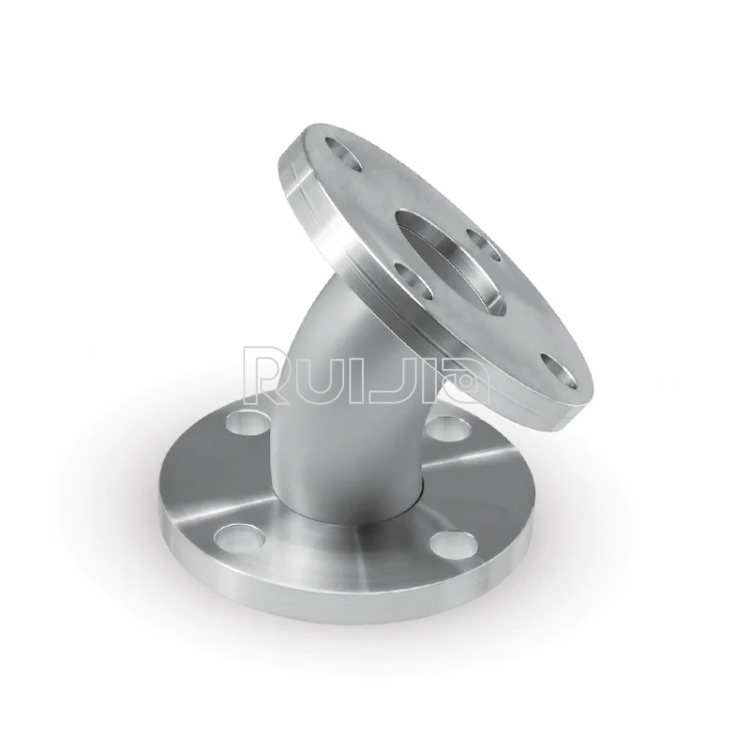
|
Temperature |
-26˚C to 200˚C |
|
Working Pressure |
Vacuum~atmosphere pressure |
|
Helium Leak Test |
1×10 -9 Pa・m³/sec or less |
Rich stock, fast delivery
Quick response within 24h
Quality assurance
Accessory replacement
GET A QUOTE