Determining adequate tightening torque for ISO-KF clamp connections, with size-based reference ranges and practical “enough” criteria.


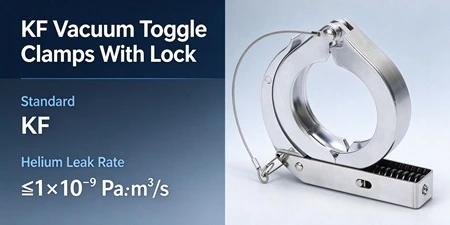
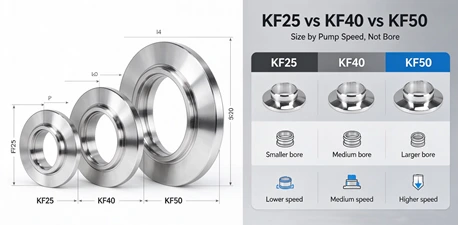
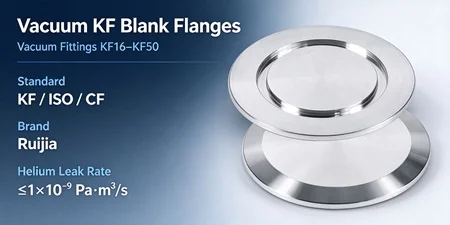
For ultra-high vacuum (UHV) applications operating below 10^-7 Torr, metal seals consistently outperform elastomer seals in critical performance metrics, though elastomer options remain viable for medium-to-high vacuum systems where cost and ease of maintenance take priority. After 15 years designing vacuum systems for semiconductor fabs and research institutions, I've seen too many projects fail because engineers selected the wrong seal type for their operating conditions. While KF Vacuum Flanges work exceptionally well with elastomer seals in many industrial applications, UHV environments demand a more rigorous approach to sealing technology.
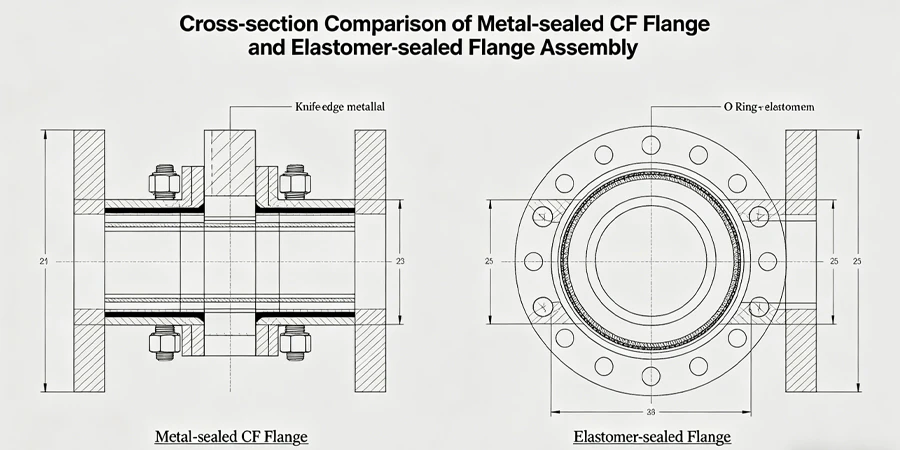
The core distinction between these two sealing technologies lies in how they create a vacuum-tight barrier. Elastomer seals rely on the material's elastic deformation to fill microscopic gaps between mating flange surfaces. When compressed between two flanges, the rubber or silicone material conforms to surface irregularities, creating a physical barrier against gas flow.
In contrast, metal seals operate through plastic deformation of a soft metal gasket (typically copper, aluminum, or gold) between two knife-edged flanges. The knife edges bite into the soft metal, creating a continuous, gas-tight seal that can withstand extreme conditions. This fundamental difference explains why metal seals are the gold standard for UHV applications.
When evaluating seal performance for UHV systems, four parameters stand out as make-or-break factors:
According to the American Vacuum Society (AVS) Vacuum Technology Handbook, elastomer seals typically top out at 10^-8 Torr due to inherent gas permeation and outgassing characteristics. Even the highest-performance perfluoroelastomers struggle to maintain pressures below this threshold for extended periods.
Metal seals, by comparison, can reliably achieve pressures down to 10^-13 Torr and below. Copper gaskets, the most common choice for UHV systems, exhibit virtually zero gas permeation and minimal outgassing when properly baked.
Elastomer seals have a limited operating temperature window, typically between -20°C and 200°C for standard nitrile rubber. High-performance fluoropolymers can extend this range to -40°C to 300°C, but even these materials degrade rapidly at higher temperatures.
Metal seals excel in extreme temperature environments. Copper gaskets can operate continuously from -270°C (cryogenic temperatures) to 450°C, making them ideal for systems requiring high-temperature baking to remove adsorbed gases—a critical step in achieving UHV conditions.
For applications involving ionizing radiation, such as nuclear research or particle accelerators, elastomer seals degrade rapidly due to chain scission and cross-linking. Metal seals, however, are virtually unaffected by radiation exposure, making them the only viable option in these environments.
One significant advantage of elastomer seals is their reusability. A properly installed O-ring can be reused multiple times if it remains undamaged. Metal seals, by contrast, are single-use components. The plastic deformation of the gasket means it must be replaced every time the flange is disassembled.
The decision between metal and elastomer seals ultimately comes down to your specific application requirements. Here's how I approach this decision in my consulting work:
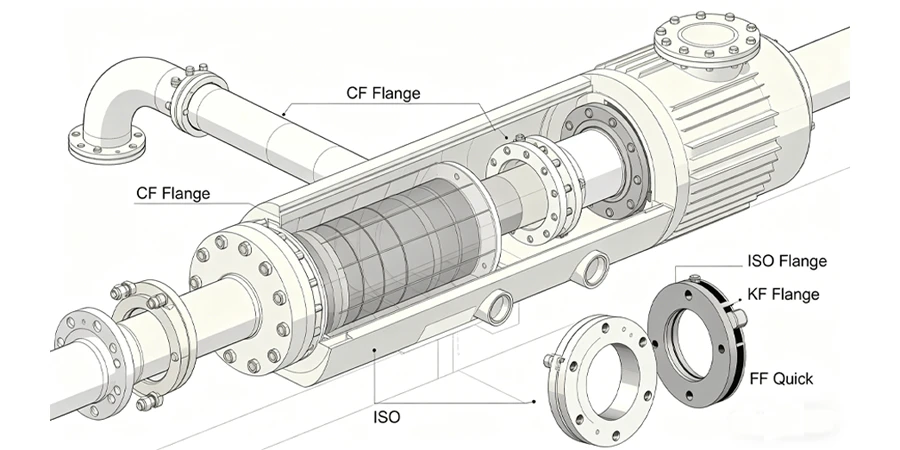
Different flange standards have evolved to accommodate different sealing technologies and vacuum levels. Understanding these standards is essential for designing a cost-effective vacuum system.
For medium-to-high vacuum applications (10^-3 to 10^-7 Torr), quick-connect flange systems using elastomer seals offer the best balance of performance and convenience. These systems allow for rapid assembly and disassembly without specialized tools, making them ideal for pilot plants, R&D labs, and industrial processes where frequent modifications are common.
For UHV applications (below 10^-7 Torr), conflat (CF) flanges with copper gaskets are the industry standard. The knife-edge design creates a reliable, leak-tight seal that can withstand repeated baking cycles. However, CF flanges are more expensive and require more time and skill to install properly.
ISO-K flanges offer a middle ground, supporting both elastomer seals for high vacuum and metal seals for UHV applications. This versatility makes them popular in systems that may need to be upgraded in the future.
Explore standard flange options to find the best match for your vacuum requirements.
While metal-sealed UHV flanges have a higher initial cost than their elastomer-sealed counterparts, the total cost of ownership often tells a different story. Elastomer seals require more frequent replacement, especially in harsh environments, leading to higher maintenance costs and more downtime over the system's lifetime.
In semiconductor manufacturing, for example, a single unplanned downtime event can cost hundreds of thousands of dollars in lost production. The superior reliability of metal seals in these critical applications more than justifies their higher initial investment.
That said, there's no need to over-engineer your system. If your application only requires high vacuum (not UHV), elastomer-sealed flanges will provide more than adequate performance at a fraction of the cost. The key is to match the seal technology to your actual operating requirements, not just what you think you might need in the future.
Get detailed pricing information for both seal types to compare your options.
Every vacuum system is unique, and off-the-shelf components may not always meet your specific needs. At RUIJIA, we understand that one size doesn't fit all when it comes to vacuum technology.
Our engineering team specializes in developing custom flange solutions for challenging applications. Whether you need a non-standard size, a special material for corrosive environments, or a hybrid design that combines different flange standards, we can work with you to create a solution that meets your exact specifications.
We also offer comprehensive testing services to ensure your custom components perform as expected in your operating environment. All our products undergo rigorous quality control checks, including helium leak testing, to guarantee leak rates below 10^-10 atm-cc/s.
Request a custom quote for your unique vacuum system requirements.
The choice between metal and elastomer seals for UHV flanges isn't a matter of one being universally better than the other—it's about selecting the right tool for the job. Elastomer seals offer convenience and cost-effectiveness for medium-to-high vacuum applications, while metal seals provide the superior performance needed for true UHV environments.
By carefully evaluating your operating conditions, performance requirements, and budget constraints, you can make an informed decision that will ensure your vacuum system operates reliably for years to come. Remember, the most expensive component in your vacuum system is the one that fails unexpectedly.
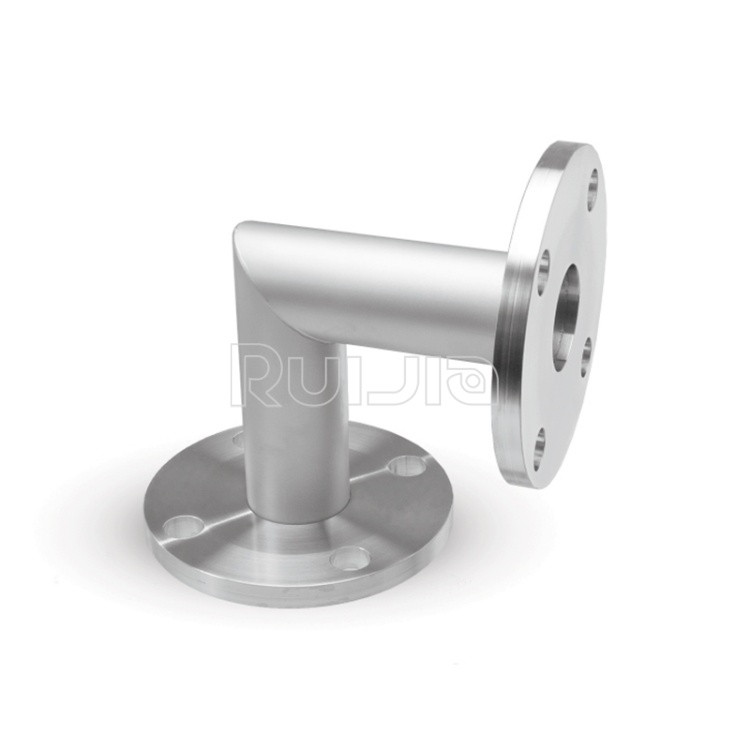
|
Temperature |
-26˚C to 200˚C |
|
Working Pressure |
Vacuum~atmosphere pressure |
|
Helium Leak Test |
1×10 -9 Pa・m³/sec or less |
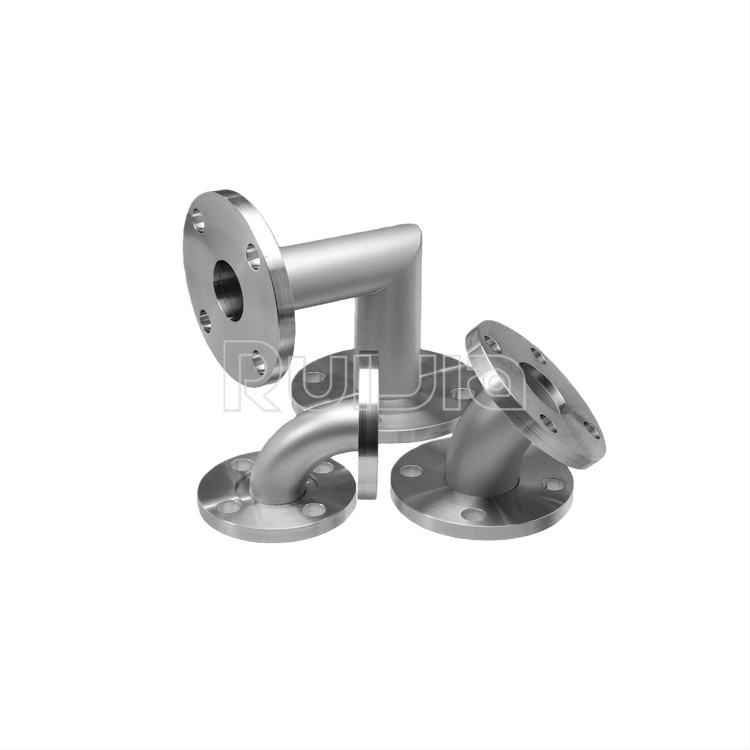
|
Temperature |
-26˚C to 200˚C |
|
Working Pressure |
Vacuum~atmosphere pressure |
|
Helium Leak Test |
1×10 -9 Pa・m³/sec or less |
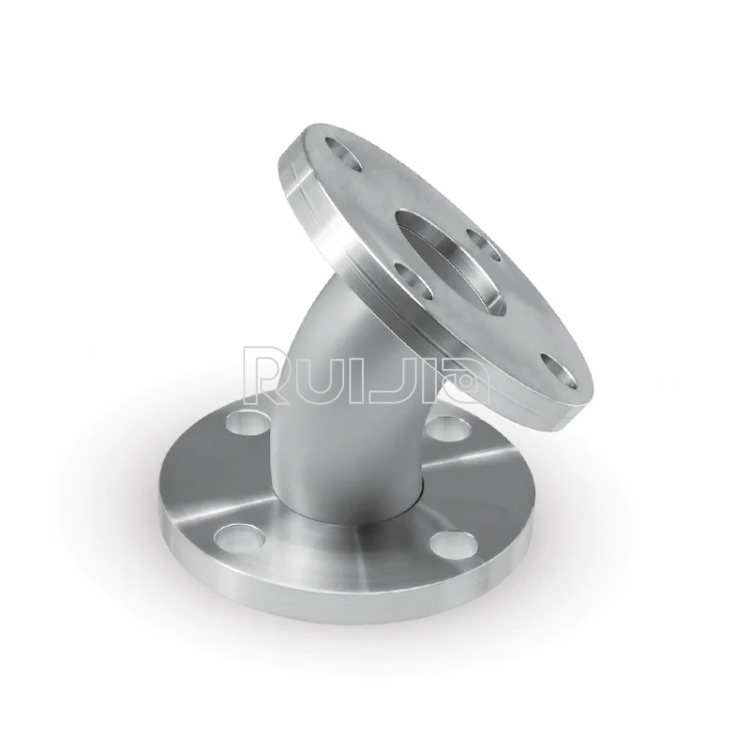
|
Temperature |
-26˚C to 200˚C |
|
Working Pressure |
Vacuum~atmosphere pressure |
|
Helium Leak Test |
1×10 -9 Pa・m³/sec or less |
Rich stock, fast delivery
Quick response within 24h
Quality assurance
Accessory replacement
GET A QUOTE