Determining adequate tightening torque for ISO-KF clamp connections, with size-based reference ranges and practical “enough” criteria.


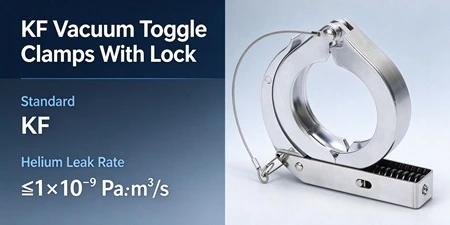
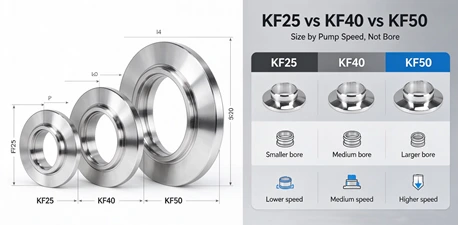
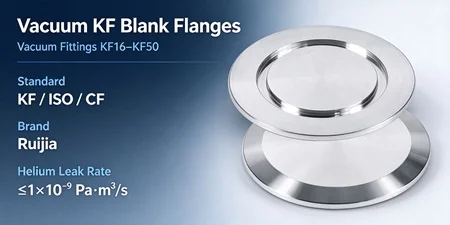
If you’re selecting connection hardware for a vacuum system, the short answer is this: reliable sealing, fast assembly, and repeatable performance matter more than brand labels. In real industrial environments—from thin-film coating lines to analytical labs—KF Vacuum Flanges are widely chosen because they balance speed and sealing integrity better than most alternatives. According to the American Vacuum Society's best-practice guidance, minimizing leak paths and simplifying maintenance cycles directly improve uptime and data accuracy—two metrics buyers consistently prioritize.
In theory, any flange can seal a vacuum. In practice, downtime tells a different story. Engineers often deal with:
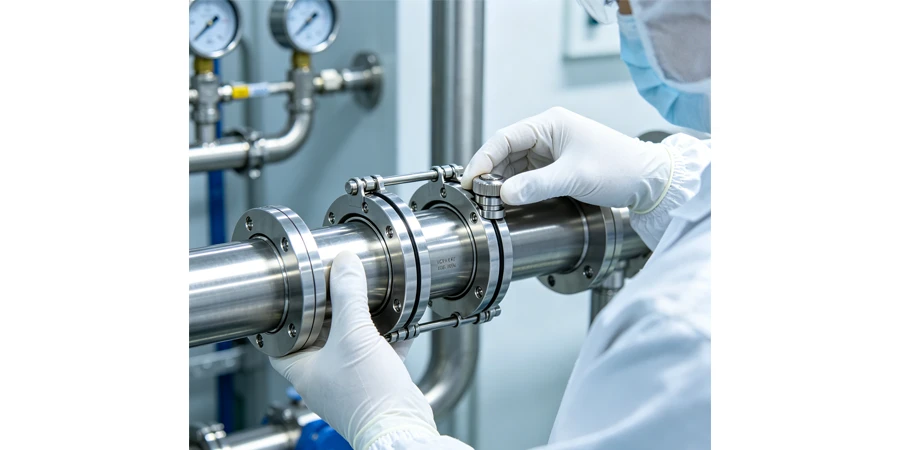
The faster a joint can be opened, inspected, and resealed—without compromising vacuum leak rate performance—the more efficient the operation becomes. This is where clamp-based connections outperform bolted systems in many mid-to-low vacuum scenarios.
In semiconductor vacuum process equipment, even minor leaks can ruin wafers. KF-style connections are frequently used in:
Their advantage lies in consistent elastomer sealing vacuum interfaces, which reduce variability between maintenance cycles. While ultra-high vacuum sections may use CF flanges, KF connections dominate supporting systems where rapid maintenance vacuum hardware is critical.
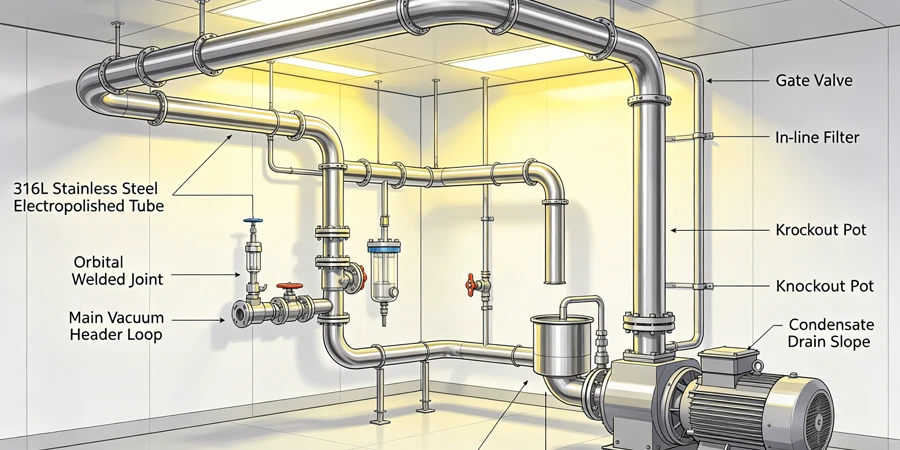
In research labs, setups evolve constantly. A physicist today may be assembling a high-vacuum experimental setup, and tomorrow reconfiguring for a different test.
KF connections enable:
For labs working under grants or tight timelines, this adaptability often outweighs the marginal performance gains of more rigid flange systems.
Industries using PVD coating vacuum chambers or thin film deposition systems rely on stable yet serviceable connections.
Here’s the operational reality:
Clamp-based flange systems reduce turnaround time significantly. When paired with high-quality sealing rings, they maintain dependable vacuum sealing efficiency under cycling conditions.
In pharmaceutical vacuum drying equipment and analytical vacuum instrumentation, cleanliness and repeatability are non-negotiable.
KF-style solutions are often preferred for:
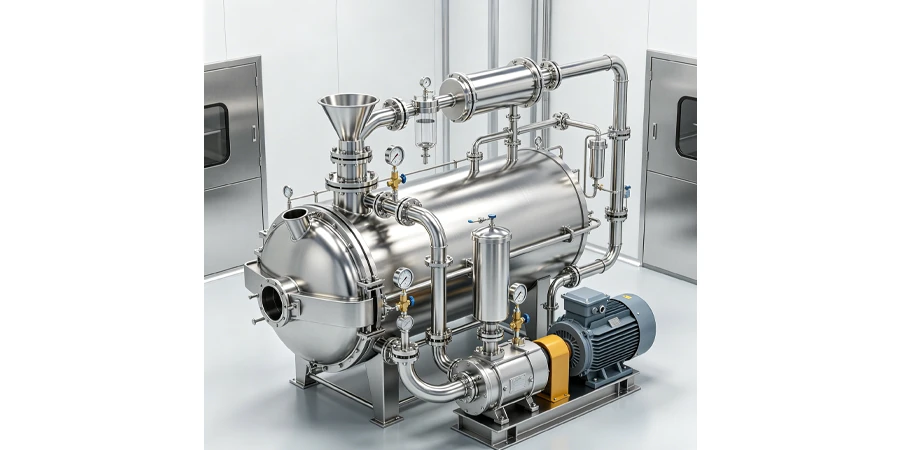
At this stage, many buyers begin to compare connection standards. If you’re evaluating options or configurations, you can explore application cases to understand how modular designs adapt to different compliance requirements.
Heavy-duty environments like vacuum heat treatment furnaces demand durability, but not every section requires large bolted flanges.
KF connections are often used in:
They provide a practical balance between mechanical robustness and fast maintenance vacuum components, especially in systems that undergo frequent thermal cycling.
Here’s where experienced engineers tend to draw the line:
| Scenario | Preferred Option |
|---|---|
| Ultra-high vacuum (<10⁻⁹ mbar) | CF flanges |
| Large-diameter pipelines | ISO flanges |
| Flexible, fast-cycle systems | KF connections |
In many real-world projects, KF Vacuum Flanges serve as a bridge solution—not the highest vacuum rating, but the most efficient for day-to-day operation.
Compared with ISO systems:
Compared with CF systems:
If your system prioritizes uptime and adaptability over extreme vacuum levels, this category often delivers the best ROI.
For those planning upgrades or new builds, you can get selection guidance tailored to specific pressure ranges and materials.
Not all flange systems are equal. In practice, buyers should look for:
Brands like RUIJIA focus on delivering application-specific vacuum connection solutions, especially for clients who need non-standard configurations or hybrid systems.
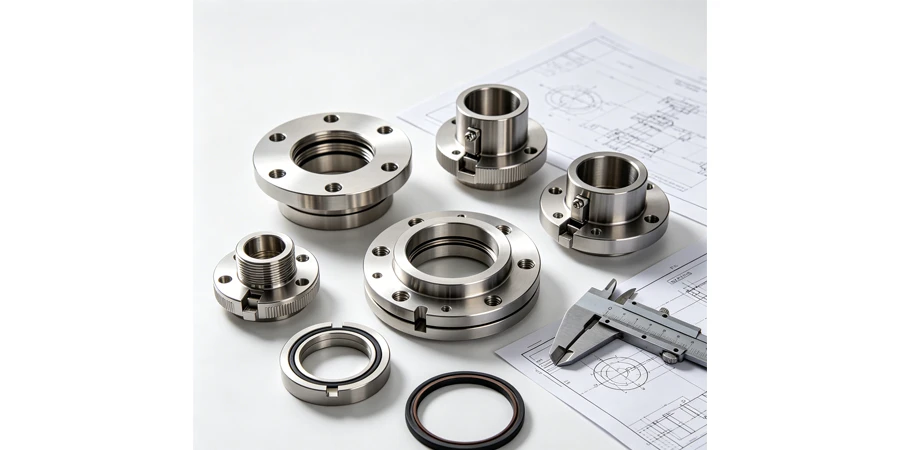
From years of field observation, the decision rarely comes down to specifications alone. It’s about:
KF Vacuum Flanges continue to hold their place not because they are perfect, but because they are practical. And in industrial engineering, practicality usually wins.
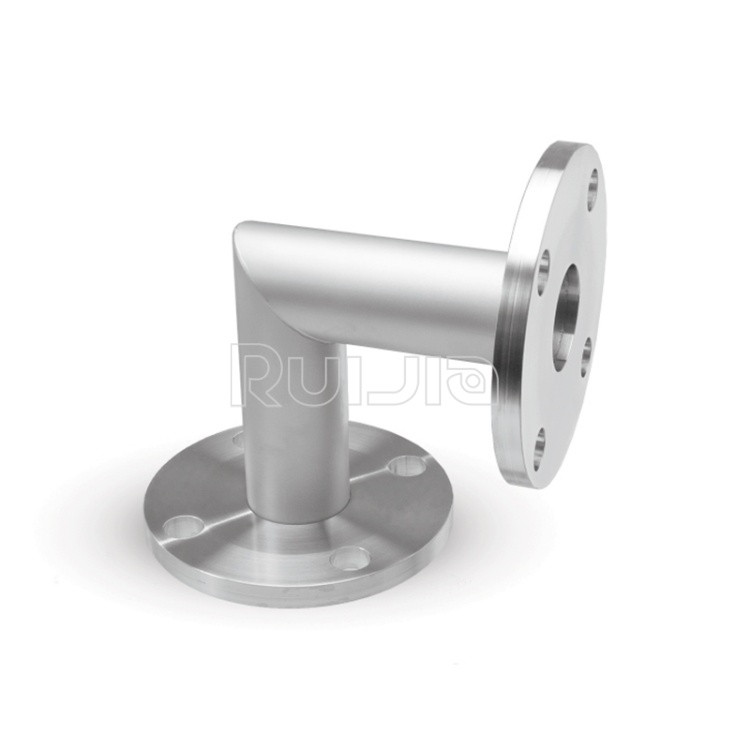
|
Temperature |
-26˚C to 200˚C |
|
Working Pressure |
Vacuum~atmosphere pressure |
|
Helium Leak Test |
1×10 -9 Pa・m³/sec or less |
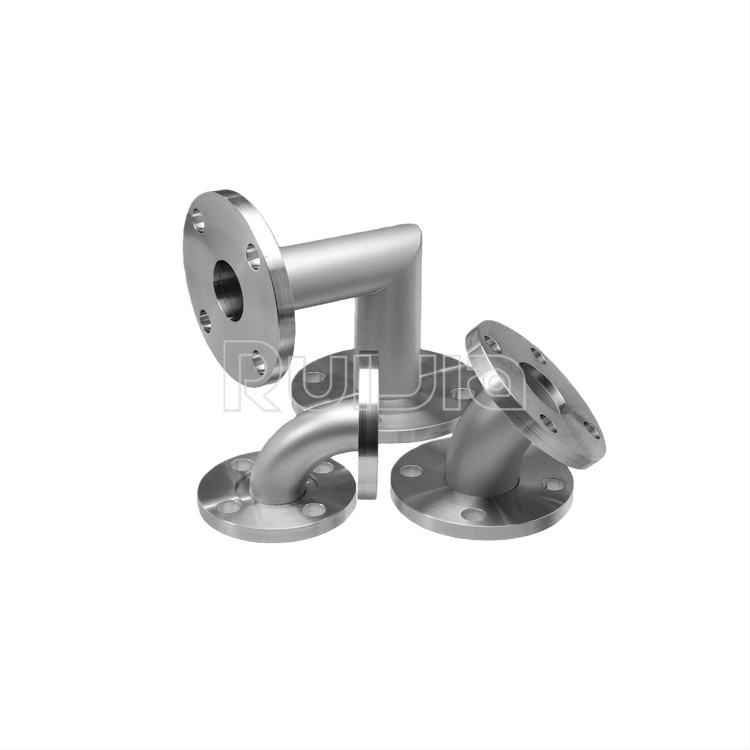
|
Temperature |
-26˚C to 200˚C |
|
Working Pressure |
Vacuum~atmosphere pressure |
|
Helium Leak Test |
1×10 -9 Pa・m³/sec or less |
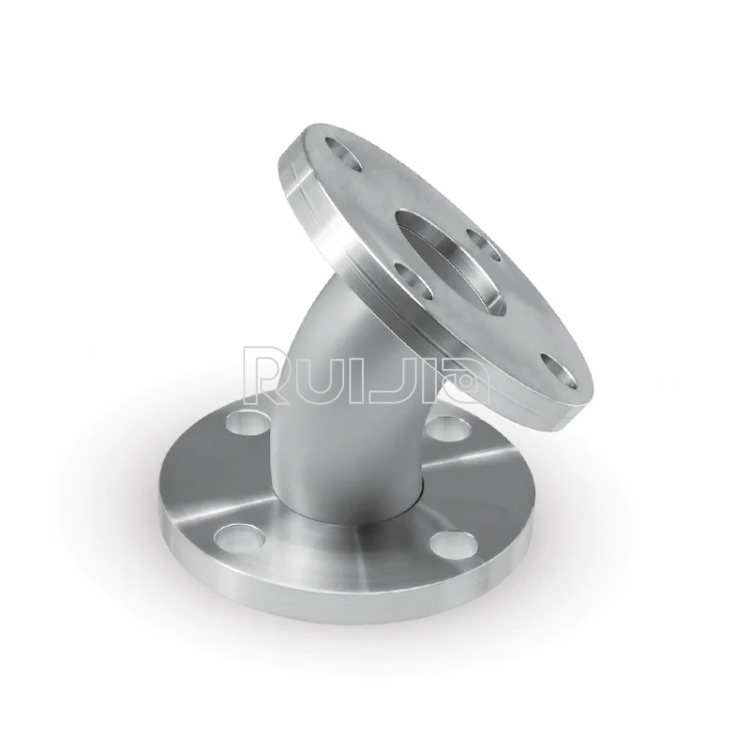
|
Temperature |
-26˚C to 200˚C |
|
Working Pressure |
Vacuum~atmosphere pressure |
|
Helium Leak Test |
1×10 -9 Pa・m³/sec or less |

Rich stock, fast delivery
Quick response within 24h
Quality assurance
Accessory replacement
GET A QUOTE