Determining adequate tightening torque for ISO-KF clamp connections, with size-based reference ranges and practical “enough” criteria.


When choosing between welded and threaded vacuum adapters for your system, the answer depends entirely on your vacuum level requirements, installation flexibility needs, and long-term maintenance plans. While welded connections offer superior sealing for ultra-high vacuum applications, threaded adapters provide unmatched versatility for systems that require frequent modifications. KF Vacuum Flanges represent another popular option that bridges the gap between these two traditional connection methods, offering a balance of performance and convenience.
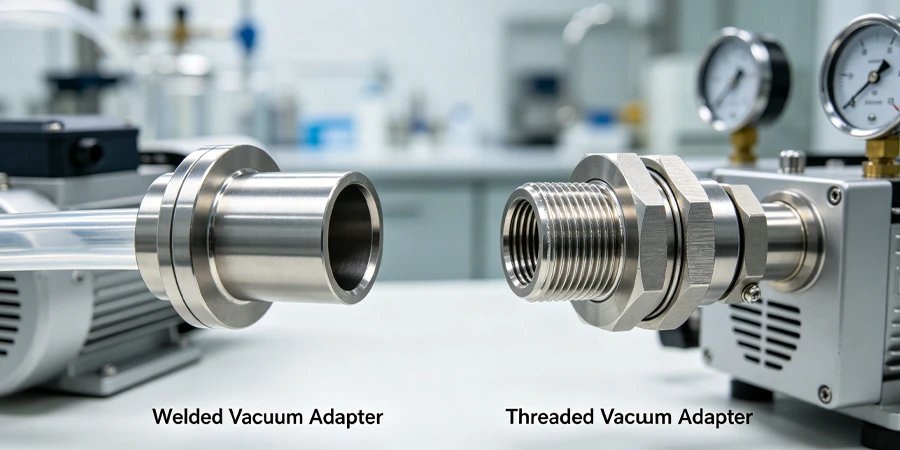
Welded vacuum adapters create a permanent, leak-free connection by fusing two metal components together. This method eliminates potential leak paths that can occur with mechanical seals, making it the gold standard for high and ultra-high vacuum systems operating below 10⁻⁵ Pa.
Welded adapters are ideal for static vacuum systems in semiconductor manufacturing, research laboratories, and industrial coating applications where system configuration rarely changes and maintaining the highest possible vacuum is paramount.
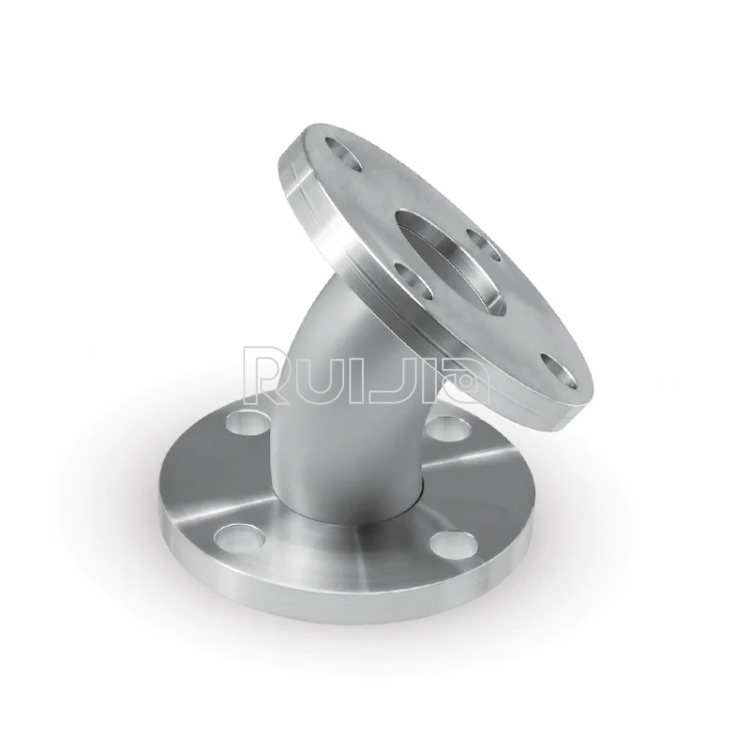
Threaded vacuum adapters use precision-machined threads to create a mechanical connection between components. They are available in various thread standards including NPT, BSP, and Swagelok-style ferrule fittings, each designed for specific vacuum levels and applications.
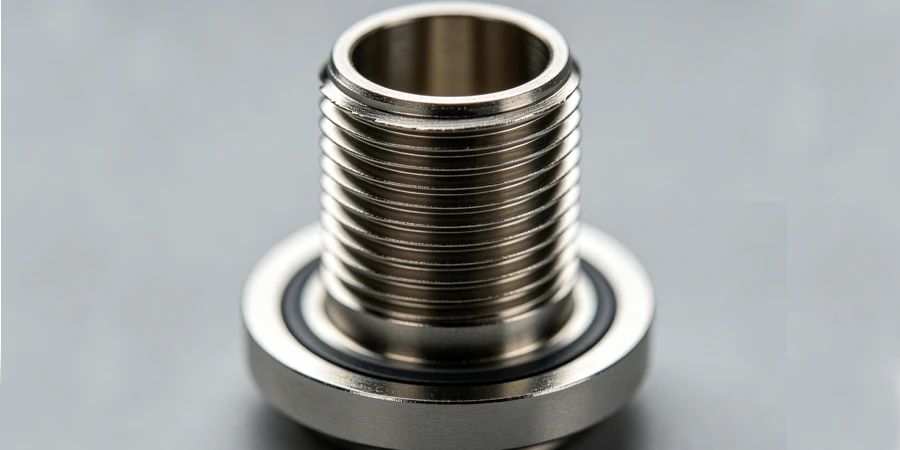
Threaded adapters excel in prototyping environments, educational laboratories, and low-to-medium vacuum systems where frequent changes to the setup are expected. They are also commonly used for connecting auxiliary components such as gauges, valves, and pumps.
To make an informed choice between welded and threaded adapters, evaluate these key factors based on your specific application requirements:
| Factor | Welded Adapters | Threaded Adapters |
|---|---|---|
| Maximum Vacuum Level | Ultra-high vacuum (<10⁻⁹ Pa) | Medium vacuum (10⁻⁵ Pa) |
| Installation Complexity | High (requires welding) | Low (hand tools) |
| Reconfigurability | None (permanent) | Excellent (modular) |
| Initial Cost | Higher | Lower |
| Long-term Maintenance | Minimal | Regular inspection and re-tightening |
| Contamination Risk | Low (no seals) | Higher (elastomer outgassing) |
| Temperature Range | Excellent (limited only by material) | Limited by seal material |
While welded and threaded connections are the most common, several other vacuum connection technologies offer unique advantages for specific applications. These include VCR fittings with metal gaskets for ultra-high vacuum service, quick-disconnect adapters for rapid tool changes, and conical reducing adapters for transitioning between different pipe diameters.
When selecting the right connection type, it's essential to consider not just the initial installation but also the entire lifecycle of your vacuum system. Factors such as future expansion plans, maintenance schedules, and process changes should all influence your decision.
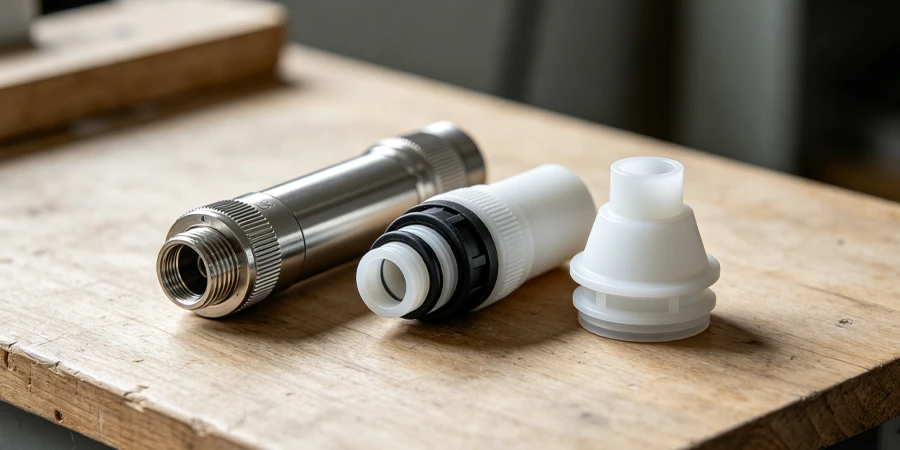
At RUIJIA, we understand that every vacuum application is unique. That's why we offer a comprehensive range of vacuum adapters in both welded and threaded configurations, as well as custom solutions designed to meet your specific requirements.
Our adapters are manufactured using high-quality stainless steel 304/316L and undergo rigorous testing, including helium mass spectrometry leak detection, to ensure they meet the highest performance standards. We also provide custom machining services for non-standard sizes, materials, and connection methods.
To explore our complete product lineup and find the perfect adapters for your system, view our vacuum adapters catalog. Our team of vacuum system experts is also available to provide personalized recommendations based on your application needs.
In conclusion, welded vacuum adapters are the best choice for permanent, high-performance systems requiring ultra-high vacuum levels, while threaded adapters offer superior flexibility for modular or frequently modified setups. For many applications, a combination of both connection types often provides the optimal balance of performance and versatility.
When designing your vacuum system, take the time to evaluate your current and future needs carefully. Consider factors such as vacuum level, temperature, chemical compatibility, and maintenance requirements. And remember, the right adapter can make all the difference in the performance and reliability of your entire system.
For additional guidance on selecting and installing vacuum adapters, get expert advice from our engineering team. We're here to help you build a vacuum system that meets your exact specifications and delivers years of reliable service.
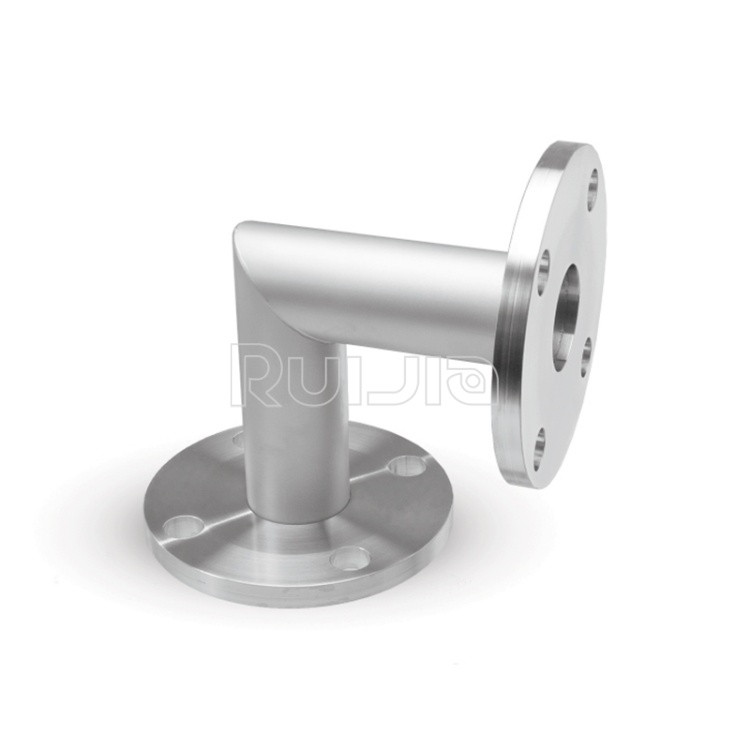
|
Temperature |
-26˚C to 200˚C |
|
Working Pressure |
Vacuum~atmosphere pressure |
|
Helium Leak Test |
1×10 -9 Pa・m³/sec or less |
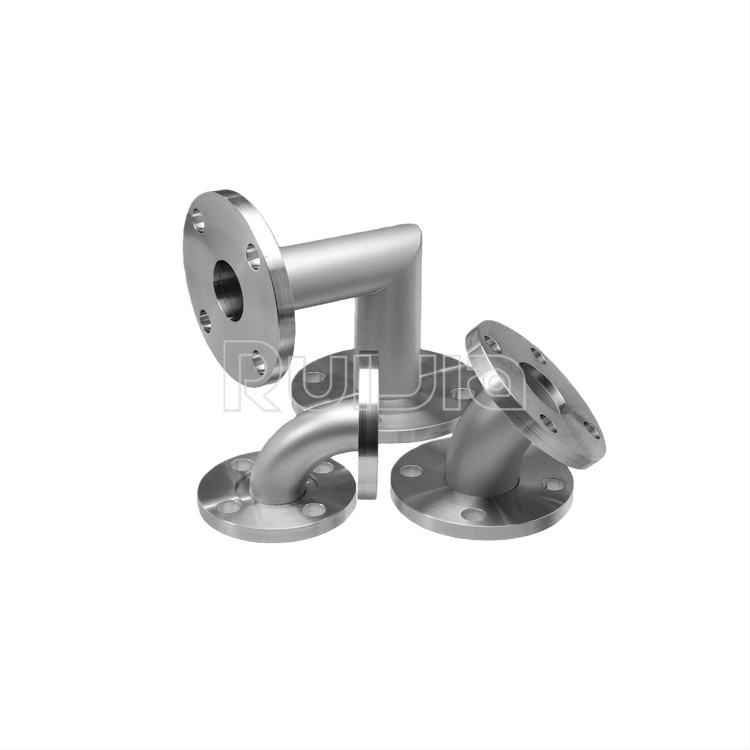
|
Temperature |
-26˚C to 200˚C |
|
Working Pressure |
Vacuum~atmosphere pressure |
|
Helium Leak Test |
1×10 -9 Pa・m³/sec or less |
|
Temperature |
-26˚C to 200˚C |
|
Working Pressure |
Vacuum~atmosphere pressure |
|
Helium Leak Test |
1×10 -9 Pa・m³/sec or less |
Rich stock, fast delivery
Quick response within 24h
Quality assurance
Accessory replacement
GET A QUOTE