Determining adequate tightening torque for ISO-KF clamp connections, with size-based reference ranges and practical “enough” criteria.


If you’ve ever struggled to connect vacuum components from different manufacturers, you know the frustration: threads mismatch, clamps don’t seal, and pumping down takes forever.
That’s exactly why the vacuum industry adopted a simple, tool‑free solution decades ago. Today, it’s the go‑to choice for research labs, semiconductor fabs, and freeze‑dryer systems. Below, we’ll break down how this connection system works, what sizes you’ll actually need, and which standards guarantee interchangeability.
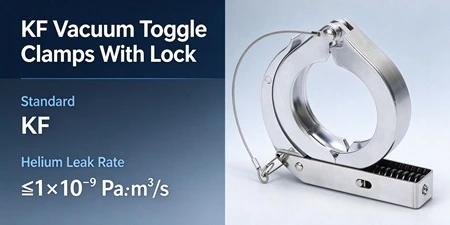
Forget wrenches and torque specs. The core idea behind a quick‑release flange is a hinged clamp that compresses an elastomer O‑ring against two symmetrical flanges. You can assemble or disassemble a joint in seconds – no special tools, no guesswork.
According to vacuum system design guides, this type of connection reduces installation time by more than 80% compared to bolted flanges, while maintaining leak rates below 1.3×10⁻⁹ mbar·L/s when properly sealed (source: ISO 2861 standard). That reliability is why it dominates in applications from analytical instruments to thin‑film deposition.
But not all quick‑release joints are identical. The most critical factor is size. Using the wrong diameter not only breaks the seal but can also damage the O‑ring or clamp. Let’s sort that out.
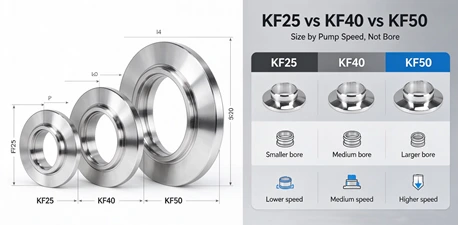
The vacuum industry uses a naming convention based on nominal diameter (DN) in millimeters. The most common sizes are:
DN 10 KF (inner diameter ~10 mm)
DN 16 KF (inner diameter ~16 mm) – the most popular for lab benches
DN 25 KF (inner diameter ~25 mm)
DN 40 KF (inner diameter ~40 mm) – widely used for roughing pumps
DN 50 KF (inner diameter ~50 mm)
A simple way to remember: the number indicates the approximate inner diameter of the tube or port. For example, a DN 16 KF component fits tubing with a 16 mm bore.
What about DN 63 KF? It exists but is less common; many users jump to larger ISO‑K or ISO‑F flanges beyond 50 mm. For most R&D and pilot production, DN 10 to DN 50 covers 95% of needs.
Pro tip from field service engineers: Always match the flange size to your system’s pumping speed. A DN 16 flange on a 300 L/s turbo pump creates a conductance bottleneck. Conversely, oversized flanges add unnecessary cost and weight.
If you need to adapt between sizes, reducer centering rings (e.g., DN 25 to DN 16) are available – but each adapter adds two more seal surfaces. Use them sparingly.
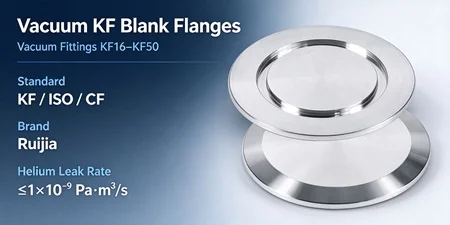
Here’s where many buyers get lost: “KF” is a trademarked name from a specific manufacturer, but the design itself is codified in ISO 2861 (and its predecessor, DIN 28403). Any component that complies with ISO 2861 – regardless of brand – will mate perfectly with another ISO 2861 part.
Key parameters defined by the standard:
Flange outer diameter and groove geometry
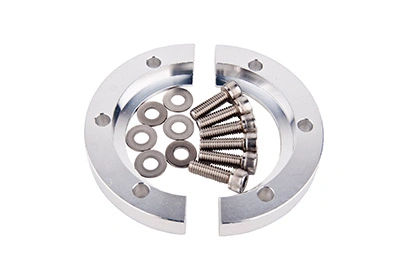
Centering ring dimensions (the metal ring that holds the O‑ring)
Clamp profile and clamping force
Leak rate requirements for the assembled joint
Reference: ISO 2861:2018 “Vacuum technology – Dimensions of clamped‐type quick‐release couplings.” You can access the summary through national standardization bodies.
But attention – there is a low‑cost copycat often called “KF‑style” that looks similar but uses slightly different O‑ring grooves. They may seal initially, but after thermal cycling or a few vent‑pump cycles, leaks appear. Always ask the supplier for ISO 2861 certification or test reports.
Selecting the correct parts isn’t just about size and standard. Three real‑world factors often get overlooked:
Material compatibility – Stainless steel 304 or 316L is the default for vacuum. For corrosive processes (e.g., CVD with chlorine), ask for 316L or even Hastelloy. Avoid plated or painted flanges – they outgas.
Seal material – The standard O‑ring is FKM (Viton®) for temperatures up to 200°C. For low outgassing (UHV), use FFKM or metal‑seal variants. For low temperature or aggressive media, check EPDM or silicone. A mismatch here can cause a leak after only a few bakeout cycles.
Clamp style – Single‑pinch clamps are fine for DN 10–16, but for DN 40 and above, use wing‑nut clamps or high‑strength hinged clamps to ensure even compression.
Many users also forget about centering rings. These are wear parts. After 50–100 assembly cycles, the O‑ring loses elasticity, or the metal ring deforms. Keep a spare kit and replace them proactively.
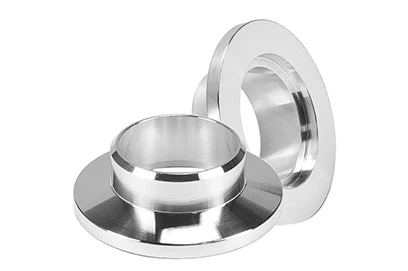
Now, suppose you have decided on the size (e.g., DN 25), the standard (ISO 2861), and the material (304 SS). The next question is: Where do you get reliable components without waiting weeks for delivery?
That’s where a focused vacuum supplier makes the difference. You want a partner that stocks both flanges and fittings – elbows, tees, bellows, adapters – all matching the same standard. A supplier that offers clear dimensional drawings and material certificates saves you from expensive rework.
For a full range of ISO‑certified quick‑release components, including centering rings and clamps, you can explore the complete fitting collection here. They provide detailed spec sheets and leak‑test reports for each batch – something not every “KF‑style” vendor bothers with.
Even experienced engineers sometimes fall into these traps:
Myth 1: “All flanges with the same DN number fit perfectly.”
Reality: DN only defines nominal size, not groove geometry. Always verify ISO 2861 compliance.
Myth 2: “The clamp does the sealing.”
Reality: The clamp only applies compression. The actual seal relies on the O‑ring and the centering ring’s correct positioning.
Myth 3: “You can reuse elastomer O‑rings indefinitely.”
Reality: Repeated compression set causes permanent deformation. Change after every 100 cycles or annually, whichever comes first.
A 2021 survey by a vacuum equipment rental company found that 34% of unexpected downtime in pilot plants was traced to worn or mismatched quick‑release flange seals. That’s a huge number for a $5 part.
Understanding what a quick‑release flange is, its standard sizes (DN 10 to DN 50), and the governing ISO 2861 standard allows you to build leak‑free vacuum systems with confidence. Remember: size + standard + material = reliability.
If you’re assembling a new pumping line or replacing worn flanges, start by listing your tube outer diameters and operating temperature. Then match them to the DN chart above. Always request ISO compliance documentation.
And when you need high‑quality flanges, centering rings, and clamps that are individually leak‑tested and ready to ship, take a look at Ruijia’s vacuum flange solutions. They offer everything from DN 10 to DN 50, with material certs included – no surprises.
Do you have a specific size or application in mind? Drop a comment below – we’ll help you find the right configuration.
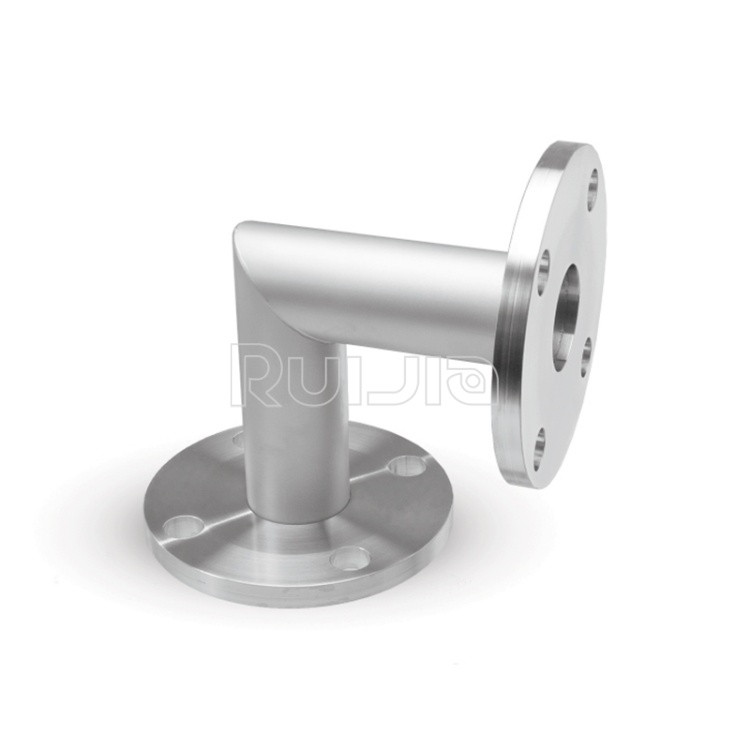
|
Temperature |
-26˚C to 200˚C |
|
Working Pressure |
Vacuum~atmosphere pressure |
|
Helium Leak Test |
1×10 -9 Pa・m³/sec or less |
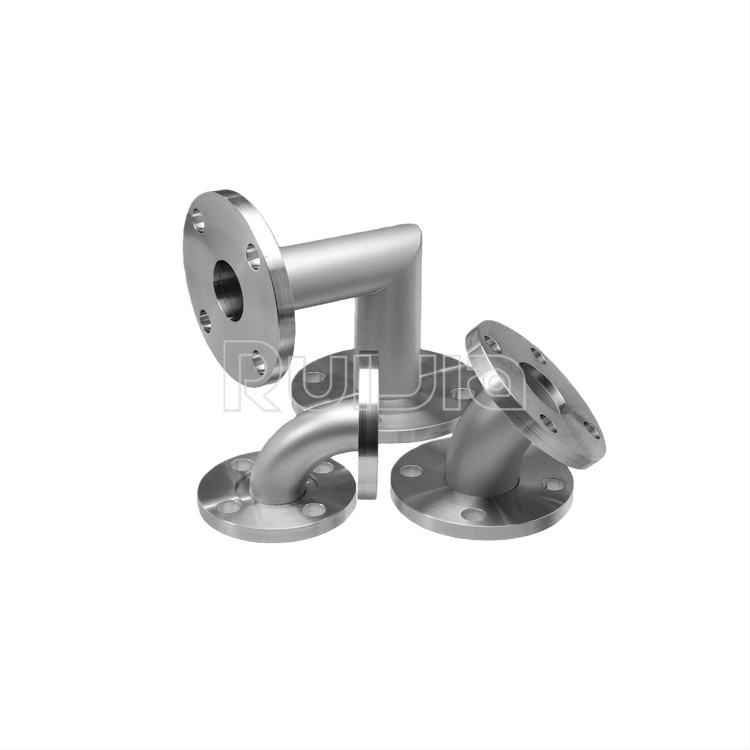
|
Temperature |
-26˚C to 200˚C |
|
Working Pressure |
Vacuum~atmosphere pressure |
|
Helium Leak Test |
1×10 -9 Pa・m³/sec or less |
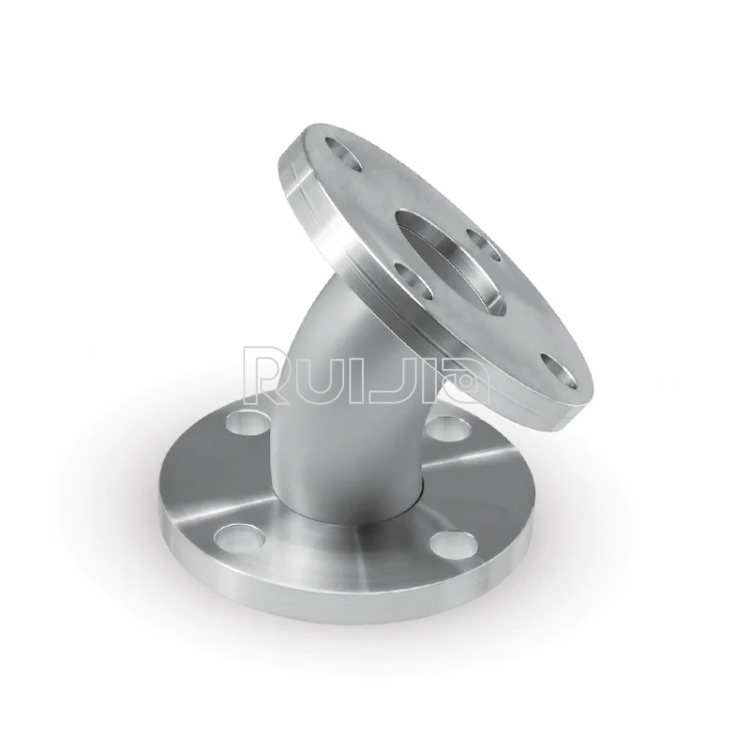
|
Temperature |
-26˚C to 200˚C |
|
Working Pressure |
Vacuum~atmosphere pressure |
|
Helium Leak Test |
1×10 -9 Pa・m³/sec or less |
Rich stock, fast delivery
Quick response within 24h
Quality assurance
Accessory replacement
GET A QUOTE