Determining adequate tightening torque for ISO-KF clamp connections, with size-based reference ranges and practical “enough” criteria.


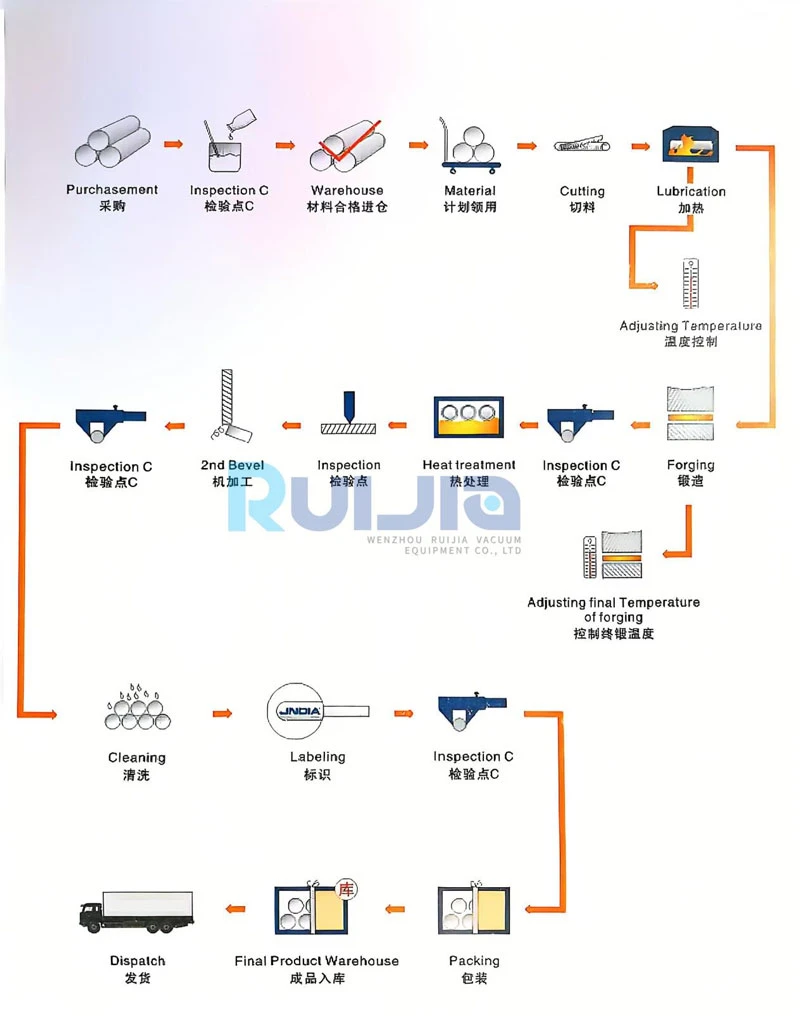
The production flow for vacuum flanges involves several steps, from design and material selection to final testing and quality assurance. Here’s a general overview of the process:
Determine the specifications based on application requirements.
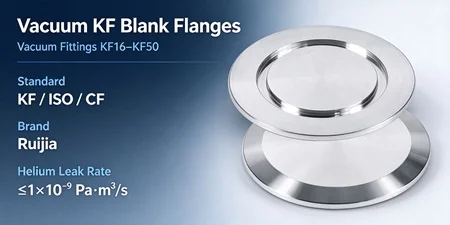
Design the flange according to industry standards (such as KF,ISO, CF,ASA etc.).
Choose appropriate materials that can withstand vacuum conditions and meet the required temperature range. Common materials include SS304/SS316L ,aluminum.
Obtain raw materials and prepare them for manufacturing.
Set up machinery and tools needed for fabrication.
Casting or Forging:Depending on the material and design, parts may be cast or forged.
Machining: Precise machining is done to create the exact dimensions and finishes required.
Welding: If necessary, components are welded together. This requires careful control to avoid introducing contaminants or porosity.
Surface Treatment:Processes like polishing, plating, or anodizing may be applied to improve corrosion resistance or appearance.
Assemble the flange components, ensuring all parts fit correctly and securely.
Install gaskets or O-rings if required.
Conduct leak tests to ensure the flange meets vacuum integrity standards.
Pressure testing may also be performed to check for structural integrity under pressure.
Inspect the finished product to verify it meets all specifications and standards.
Document all testing results and certifications.
Package the flanges carefully to prevent damage during transport.
Ship the products to customers or distribution centers.
Each step in this process must be meticulously controlled to ensure the reliability and performance of vacuum flanges, which are critical components in many scientific and industrial applications requiring high vacuum environments.
We supply KF vacuum flanges,ISO Vacuum flanges,CF vacuum flanges and ASA vacuum flangs etc, if you need,pls contact us by Email:
Email:[email protected] Whatsapp:+86-15906484621
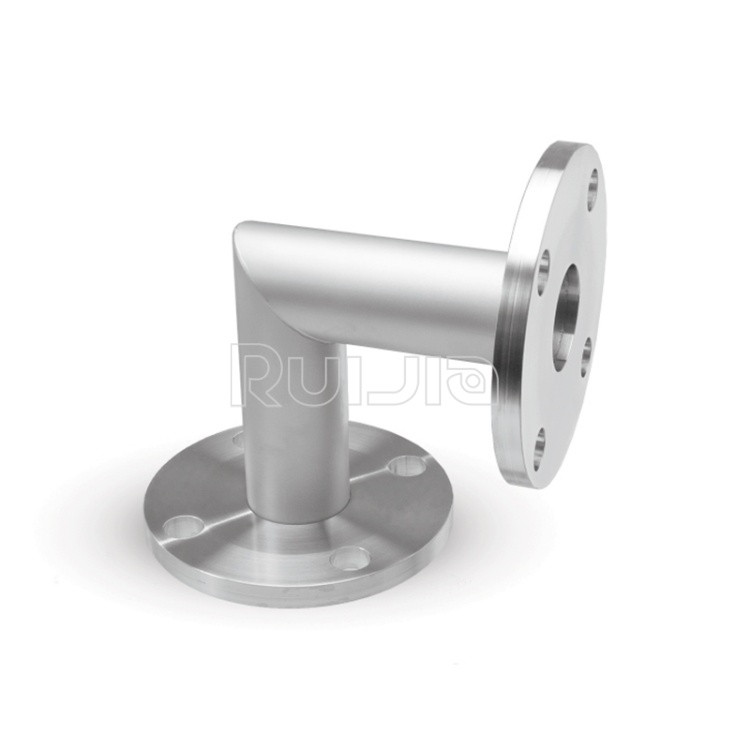
|
Temperature |
-26˚C to 200˚C |
|
Working Pressure |
Vacuum~atmosphere pressure |
|
Helium Leak Test |
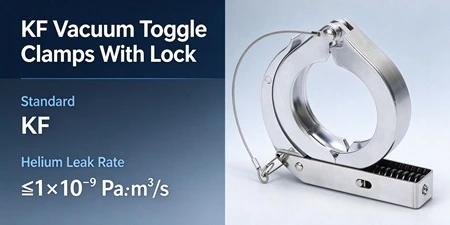
1×10 -9 Pa・m³/sec or less |
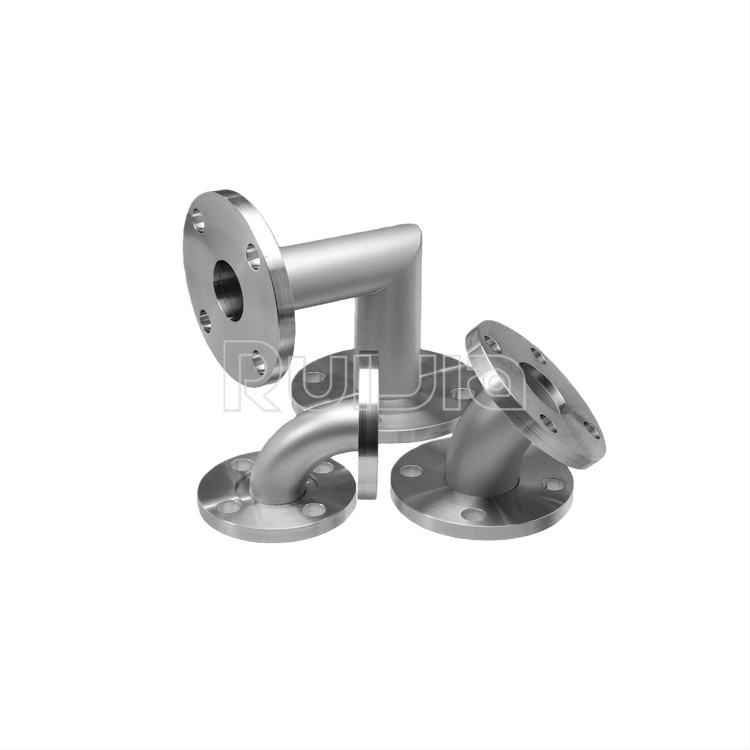
|
Temperature |
-26˚C to 200˚C |
|
Working Pressure |
Vacuum~atmosphere pressure |
|
Helium Leak Test |
1×10 -9 Pa・m³/sec or less |
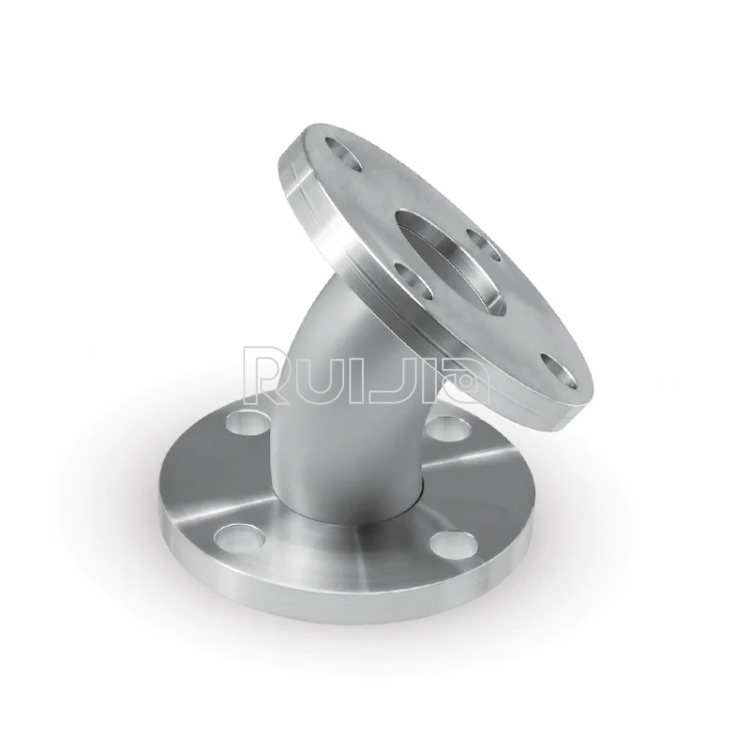
|
Temperature |
-26˚C to 200˚C |
|
Working Pressure |
Vacuum~atmosphere pressure |
|
Helium Leak Test |
1×10 -9 Pa・m³/sec or less |
Rich stock, fast delivery
Quick response within 24h
Quality assurance
Accessory replacement
GET A QUOTE